Advertisement1200×100-inside-1

Author: space4knews

टर्कीको तटमा डुङ्गा डुब्दा १८ जनाको मृत्यु    – Online Khabar

Boat Carrying Illegal Migrants Sinks Off Turkey’s Coast, Killing 18

At least 18 people have died after a boat carrying illegal migrants sank off the coast of Mugla, Turkey, according to the Turkish Coast Guard. The boat, which had departed from a resort area in Bodrum district, capsized at approximately 6 a.m. local time. The Coast Guard deployed necessary boats and watercraft to the site for rescue operations and continues to search for missing individuals.

On Wednesday, a boat transporting illegal migrants sank off the southwestern province of Mugla’s coast, resulting in the deaths of at least 18 migrants and the rescue of 21 others, the Turkish Coast Guard reported. According to media sources, the boat had left from a resort in Bodrum district and went down around 6 a.m. local time. Upon receiving the distress call, the Coast Guard immediately dispatched appropriate vessels and watercraft to manage the emergency and ongoing rescue efforts. Authorities confirmed that the search and rescue operations for missing persons are continuing without interruption.

14 Student Organizations Issue Joint Statement: Student Movement Not a Product of Anyone’s Favor

March 31, Kathmandu – Fourteen student organizations have united to raise their voices regarding the government’s proposal to abolish student organizations as part of the 100-point agenda on administrative reforms. In a joint statement released on Wednesday, these groups made it clear that Nepal’s student movement has never been the result of anyone’s mercy, favor, or benevolence. The first cabinet meeting under the leadership of Prime Minister Balendra Shah had approved the 100-point agenda on administrative reform, and item number 86 of that agenda drew particular attention from the student organizations.

“Nepal’s student movement has evolved on a foundation of sacrificial struggle, continuously remaining active in support of the nation, nationalism, democracy, social justice, educational reform, and the rights and interests of students,” the statement said. It further highlighted that from the Rana regime to the democratic movements, student organizations have courageously contributed a heroic history.

“Ignoring the historic background of the student movement, the government’s decision to restrict and ban student organizations under the pretext of resolving complex issues in the education sector will not yield positive long-term results,” the joint statement asserted. While acknowledging many problems in the university system, the student organizations called upon the state to conduct comprehensive studies and craft policies and programs based on genuine analysis and solutions.

The statement also criticized the government’s immature and superficial approach of attributing all educational sector problems solely to student organizations. It recalled that the student movement has itself been engaged in timely discussions on its restructuring, and claimed that the results of these efforts are beginning to show. “The right to associate based on ideology is a fundamental right guaranteed by Nepal’s constitution. Imposing restrictions on anyone’s thoughts can contradict democratic values and norms and may violate international human rights standards,” it emphasized.

29 Killed in Russian Military Aircraft Crash in Crimea

A Russian military AN-26 aircraft crashed into a mountain in Crimea due to a technical malfunction. All 29 people on board, including six crew members and 23 passengers, have died. Contact with the plane was lost at 6 p.m. local time on Tuesday, and rescue teams later discovered the wreckage at the crash site.

According to the Russian Ministry of Defense, the AN-26 aircraft crashed because of a technical failure. The deaths of all 29 individuals on board have been confirmed. Following the accident, search and rescue operations located the debris.

के हो चट्याङ ? जसले १२ वर्षमा लियो एक हजार बढीको ज्यान

What Is Lightning? A Hazard That Has Claimed Over 1,000 Lives in 12 Years

March 31, Kathmandu — According to data released by the National Emergency Operations Center under the Ministry of Home Affairs, Nepal has suffered significant loss of life and property due to lightning strikes over the past 12 years. Senior Hydrologist Rajendra Sharma from the National Disaster Risk Reduction and Management Authority reported that from 2013 to late February 2026, a total of 3,386 lightning incidents were recorded nationwide. These incidents have resulted in 1,073 fatalities, including 460 men, 303 women, and 312 unidentified victims. Additionally, 3,408 people were injured, comprising 1,317 men and 1,633 women.

The center noted that 4,294 families were affected by lightning strikes. Property losses include complete damage to 104 homes and partial damage to 390 others. Infrastructure-wise, 114 animal shelters were damaged, and 4,849 livestock were affected. Senior Hydrologist Sharma estimated the economic loss from these incidents to be approximately NPR 118,218,260.

Makwanpur district reported the highest number of lightning incidents with 182 cases, where 41 people lost their lives and 75 were injured. Around 300 families were affected there. Other districts recorded include Jhapa with 113, Udayapur with 104, Dailekh with 105, and Morang with 95 incidents. In terms of human casualties, Makwanpur led with 75 deaths, followed by Morang with 42 and Udayapur with 39.

The center also highlighted significant lightning risks in the eastern hilly regions: Khotang recorded 92 events, Sankhuwasabha 86, and Okhaldhunga 76, indicating a persistent hazard in these areas.

In Madhes Province, multiple deaths were reported in districts such as Saptari, Siraha, Dhanusha, and Parsa. In western Nepal, Rolpa had 91 incidents, Gulmi and Pyuthan each recorded 72, and Achham had 73. Economically, Jhapa suffered the highest damage estimated at around NPR 10.7 million, with Khotang, Udayapur, and Sankhuwasabha also experiencing substantial losses.

Experts have emphasized the importance of raising awareness and adopting protective measures, especially since lightning incidents tend to increase during the monsoon and pre-monsoon seasons.

Analyzing recent data, the annual average number of deaths caused by lightning stands at 67. According to the Ministry of Home Affairs, in 2020 there were 248 lightning incidents causing 70 deaths and 248 injuries. In 2021, although the number of incidents reduced to 203, 56 deaths and 179 injuries were recorded. In 2022, there were 290 events with 84 fatalities and 238 injuries. In 2023, 247 incidents accounted for 44 deaths and 228 injuries, while in 2024, from April to mid-March, 416 incidents resulted in 47 deaths and 307 injuries.

What is lightning? According to the Disaster Risk Reduction and Management Authority’s handbook, lightning is a large amount of electrical current flowing from clouds to the ground. When clouds at different heights and with opposite charges approach each other suddenly, a powerful electric discharge occurs. This generates strong electrical waves accompanied by loud thunder and sparks that strike the Earth’s surface, posing a significant risk. Though settlements, vegetation, and geographical features influence the occurrence and risk of lightning, fundamentally it is an accident.

Lightning particularly endangers those working outdoors such as farmers, laborers, and livestock herders. Installing lightning protection technology on tall buildings, schools, hospitals, shopping malls, and infrastructure like electrical and telephone lines can help minimize loss of life and property damage.

Ramesh Lekhak’s Statement Begins at Government Attorney’s Office

18 Chaitra, Kathmandu – Former Home Minister Ramesh Lekhak’s statement has commenced today at the District Government Attorney’s Office. According to a police officer from the Kathmandu District Police Office, Lekhak’s testimony began on Tuesday afternoon.

District Court Kathmandu had granted a five-day extension for Lekhak’s statement. On Bhadra 23 and 24, he was questioned concerning his actions during the then Home Minister role amid the Janajati (Janji) movement. The inquiry commission established by the government to investigate the Janajati movement incident had recommended Lekhak for further investigation.

Alongside Lekhak, then Prime Minister KP Sharma Oli was also recommended for inquiry. Based on this recommendation, both Oli and Lekhak were arrested on Saturday morning.

Iran Launches Drone Attack on Kuwait International Airport, Fuel Tank Catches Fire

Iran has launched a drone attack targeting Kuwait International Airport, resulting in a fire at a fuel storage tank. Abdullah Al-Rajhi, spokesperson for Kuwait’s Directorate General of Civil Aviation, reported that there have been no casualties from the incident.

This attack comes amid escalating regional tensions following a strike by the United States and Israel on Iran on February 28. The Wednesday assault caused a major fire at the fuel storage tank. Kuwait’s official news agency, KUNA (Kuwait News Agency), also confirmed that there were no human casualties.

Iran appears to have intensified its attacks targeting Israel and the US allies in the Gulf region. Rising military activities in the Gulf have further heightened security sensitivities. Following the incident, security around the airport area has been tightened, and efforts to contain the fire are ongoing. In recent days, Kuwait’s airport and its fuel storage facilities have been repeatedly targeted in attacks.

पंकज राईद्वारा अध्यक्षमा स्वतन्त्र उम्मेदवारी घोषणा

Pankaj Rai Announces Independent Candidacy for Chairman of Western Region Transport Business Committee

News Summary

Editorial review completed.

  • The 25th Annual General Meeting and 14th Convention of the Western Region Transport Business (Truck) Committee is scheduled for Chaitra 20 and 21 in Butwal.
  • Candidate Pankaj Rai has announced his independent candidacy for the chairman position and revealed a 14-point commitment.
  • Rai has pledged to develop a mobile app system, enroll drivers in the Social Security Fund, and reduce the allowed operating time for Indian number-plated trucks within Nepal.

Chaitra 18, Butwal – Electoral activity has intensified for new leadership at the Western Region Transport Business (Truck) Committee. On Chaitra 20 and 21, the committee will conduct its 25th Annual General Meeting and 14th Convention to elect new leaders. The committee, which includes 2,000 trucks and 1,300 businessmen, is considered the largest truck business organization in Nepal.

Young businessman Pankaj Rai has declared his independent candidacy for the chairman post for a two-year term. On Wednesday, he held a press conference in Butwal to unveil a 14-point commitment plan.

Rai emphasized prioritizing the development of a mobile application system to streamline coordination among businessmen, self-employed workers, and laborers, especially to simplify and expedite resolving issues and complex procedures that arise following road accidents.

He committed to advocating with the government for the formulation of business-friendly laws, revising impractical and unfavorable regulations for businessmen, enrolling drivers and assistants in the Social Security Fund, and maintaining arrangements for insurance training and health check-ups.

His pledges also include ensuring drivers’ health and insurance coverage, conducting regular health screenings and accident insurance programs, fostering respectful and cooperative relations between businessmen and employees, addressing parking issues, and strengthening security systems to prevent fuel and cargo theft.

Moreover, Rai promised to push for reducing the permitted operational time for Indian number-plated trucks within Nepal from 72 hours to 24 hours, simplify and streamline road permit processes with mandatory annual renewals only once a year, launch a toll-free helpline, and provide immediate assistance during accidents and emergencies. «Regular training programs on safe driving, traffic rules, and emergency management are part of my commitments,» Rai stated. «Transparency in the organization’s operations and sustainable solutions for businessmen’s problems remain my priorities.»

Rai also plans to establish a help desk for smooth operation of the Social Security Fund and strengthen membership expansion efforts. Alongside Rai, two other groups led by Pratap Karki, affiliated with the Nepali Congress, and Yam GC, aligned with the Nepali Communist Party, are preparing candidate panels to contest the committee leadership.

Government to Provide Online Orientation Training for Migrant Workers Before Departure

News Summary

  • The government has initiated plans to fully operate orientation training for migrant workers heading abroad through an online system.
  • Labor Minister Deepak Kumar Sah stated that a 15 to 16-hour curriculum-based video will be created and made available online for workers to complete the training remotely.
  • Among the 153 institutions providing the training, the government has capped the fee at 700 NPR and warned that permissions will be revoked if institutions charge more than that.

March 31, Kathmandu – The government has taken over the responsibility of providing orientation training to migrant workers before they leave the country.

Previously conducted by selected institutions, this training will now be organized through an online platform managed by the Ministry of Labor, Employment, and Social Security.

Since 2003 (Bikram Sambat 2060), pre-departure orientation training has been provided through designated institutions to workers going abroad for employment.

Currently, 153 registered institutions under the Department of Foreign Employment conduct these trainings. The National Vocational Training Institute in Bhainsepati has been providing this training to government-sponsored workers.

For other migrant workers, the training is offered by private orientation training providers. The ministry plans to develop curriculum-based visual materials and make them accessible digitally.

The Ministry of Labor is working on transitioning the Pre-Departure Orientation Training (PDOT) to a fully online system.

This government initiative, once implemented, is expected to put the future of the current 153 training institutions at risk. These institutions operate under the standards defined by the Foreign Employment Act 2064 and Orientation Training Operation Procedures 2076.

These institutions currently charge trainees 2,100 NPR per person. However, the Foreign Employment Department has set the fee at 700 NPR and warned that permits will be canceled if institutions collect more than this amount.

The government is preparing to fully digitize the orientation training as part of its 100-day action plan.

Labor Minister Deepak Kumar Sah explained that the orientation training will be completely conducted through digital platforms. A 15 to 16-hour video based on the curriculum will be produced and uploaded online, allowing workers to complete the training remotely.

“We will prepare a 15 to 16-hour video according to the curriculum, tailored for each destination country. Workers will be required to watch the relevant video based on their destination,” said Minister Sah. “There will be a system to measure the duration of video viewing, and online attendance will also be mandatory.”

The ministry plans to offer the training free of charge online, ensuring that no fees will be collected from the workers.

Currently, orientation training continues through the existing training providers, but once preparations are complete, the online system will be implemented. The ministry has also provided necessary instructions to the Foreign Employment Board.

However, this plan has raised concerns among training providers. Rajaram Gautam, Chairperson of the Foreign Employment Orientation Business Federation, stated that the government must address the future of legally established institutions.

“Perhaps the government no longer finds these laws necessary. We have even been asked to install cameras despite our considerable investments,” he questioned. “This is a major investment, and now such changes are being forced. What is the government’s strategy? What about the business community? This needs to be reviewed.”

He added, “Currently, approximately 1,000 to 1,200 jobs are being provided in this sector, with investments running into millions. The government appears to be aiming to undermine this sector. Without alternatives, even if the constitution guarantees the fundamental right to employment, what guarantees do we have for our employment and investments?”

Gautam raised concerns about the future of migrant workers, businesses, and their families.

He noted that the sector has been unstable since its inception, and recent government directions have led to millions in investments.

“Recently, many have taken loans to invest and are working according to government standards,” he stated. “Until now, the environment for education was in place, and there were plans to conduct it professionally, but those plans were never fully realized.”

The then Minister of Labor, Employment, and Social Security, Sarat Singh Bhandari, had amended the Orientation Training Operation Procedures 2076, increasing the fee from 700 NPR to 2,100 NPR in one installment and adding fees for language study and certification exams.

According to the new rates, a three-day training with mandatory language study and certification exams at the end was implemented.

However, training providers continued charging 2,100 NPR but only delivered two days of training following the old curriculum.

Following disputes, the department clarified on October 29, 2024 (Aswin 13, 2081 BS) via statement that the training fee remains at 700 NPR.

In 2018, a high-level Foreign Employment Reform Task Force chaired by then secretary Purnachandra Bhattarai reported an increasing trend of issuing certificates without actual training.

The report identified causes like lack of proper teaching materials, insufficient honesty among providers, ineffective monitoring, absence of learning assessment systems, and lack of an effective training tradition in destination countries.

Based on these findings, the Ministry of Labor revised and amended the orientation training curriculum on February 20, 2020 (Falgun 8, 2076).

Further amendments on September 24, 2023 (Ashoj 7, 2080) increased the training duration from two days (10 hours) to three days (18 hours) and categorized the training based on the nature of the destination country.

Now, the government is advancing the plan to provide orientation training online free of charge through training providers.

One Person Dies in Vehicle Accident in Hetauda

One individual, Ekta Baidya, lost her life after a collision between two motorcycles on the East-West Highway in Gumbachok, Hetauda Sub-Metropolitan City-9, Makwanpur. The two injured motorcycle riders, Ronik Karki and Pushpalal Gurung, are currently undergoing treatment. The truck driver involved in the accident, Badri Gaderia, is in police custody. The incident occurred on 18 Chaitra in Hetauda.

The Makwanpur police have released details regarding the traffic accident in Gumbachok of Hetauda Sub-Metropolitan City-9 on Wednesday, which resulted in one death and two injuries. The collision took place between motorcycle number Province 3-02-007 Pa 7683, traveling from Hetauda towards Ratomate, and motorcycle number Na 44 Pa 9354, coming from the opposite direction.

Ekta Baidya, an 18-year-old resident of Hetauda-9 and passenger on the motorcycle with registration number Province 3-02-007 Pa 7683, died as a result of the accident. After the initial collision with the other motorcycle, Baidya was struck by a cement-laden truck bearing registration Na 6 Kha 3145, traveling in the same direction. She suffered severe head and other bodily injuries and passed away during treatment at Hetauda Hospital.

Ronik Karki, the 19-year-old driver of the same motorcycle from Hetauda-4 Karra, sustained minor injuries. Pushpalal Gurung, the 21-year-old rider of the other motorcycle from Badeltar, Ichchhakamana Rural Municipality-5, Chitwan, was moderately injured. The District Police Office of Makwanpur has provided this information. The truck driver involved in the accident, 33-year-old Badri Gaderia from Kohalpur Municipality-14, Banke, is currently under police custody.

Who Are the Kurds?

News Summary

  • The Kurdish community is divided across West Asia and, lacking an independent nation, is estimated to number between 25 to 45 million people.
  • The US intelligence agency CIA is reportedly planning to supply arms to Kurdish armed groups in Iran, with Iranian Kurds signaling signs of rebellion.
  • Kurds in Iraq, Turkey, Syria, and Iran have long fought for greater rights and autonomy, while Turkey continues its military campaign against the PKK.

March 31, Kathmandu — The Kurdish community is an ethnic minority group based in West Asia without an independent nation of their own.

Globally, their population is estimated to range between 25 million to 45 million. The majority reside in western Iran, eastern Turkey, northern Iraq, Syria, and the mountainous regions of Armenia. Due to the lack of official census data, their exact numbers remain uncertain.

Following the collapse of the Ottoman Empire after World War I, the Western Allied powers partitioned the Ottoman territories and proposed establishing a Kurdish state. However, after the Turkish War of Independence, the newly formed Turkish government consolidated control over the Anatolian peninsula.

In this process, the Kurds were divided across the new borders of Turkey, Iran, Iraq, and Syria, and have since engaged in sustained protests and uprisings for their national rights.

Approximately half of Kurds live in Turkey, where they form the largest ethnic minority group.

Most Kurds are Sunni Muslims, but their religious, cultural, social, and political traditions are diverse. Various dialects of the Kurdish language are also spoken.

Despite divisions among regional Kurdish political groups, many Kurds unite in a shared struggle for greater rights, freedom, and autonomy.

Who Are the Kurds of Iran?

According to British government estimates, Kurds comprise 8 to 17 percent of Iran’s total population. The Kurdish region in western Iran has long advocated for increased autonomy or independence.

In 1946, a short-lived Kurdish state called the “Republic of Mahabad” was established but lasted less than a year before being dismantled by Iranian forces. This is regarded as the first modern example of a Kurdish republic.

In the following decades, Iranian armed Kurdish groups continued to resist the regime. They operate from military outposts along the Iraq-Iran border, with thousands of fighters stationed there.

Amnesty International and other human rights organizations have exposed widespread abuses against the Kurdish minority in Iran, including bans on Kurdish language education, restrictions on registering Kurdish names, and arbitrary arrests of Kurdish activists.

Who Are the Kurds in Iraq, Turkey, and Syria?

In Iraq, Kurds represent approximately 15 to 20 percent of the population. They inhabit semi-autonomous regions governed by the Kurdistan Regional Government (KRG), whose capital is Erbil.

In 2017, the KRG held a disputed referendum on independence in KRG-controlled and contested areas, where a large majority voted in favor. However, the Iraqi government declared the vote illegal, and the United States did not support it.

In Syria, Kurds make up about 10 percent of the roughly 24 million population. During his first term, US President Donald Trump authorized arming Kurdish groups through the Syrian Democratic Forces (SDF) to help combat the Islamic State.

In Turkey, Kurds constitute the largest ethnic minority, comprising about 20 percent of the total population.

The Turkish government has waged war against the Kurdistan Workers’ Party (PKK) for decades. The PKK aims to establish an autonomous Kurdish state and has been engaged in violent conflict for six years. The United States designates the PKK as a terrorist organization.

According to the Council on Foreign Relations (CFR), thousands have died in the Turkish-Kurd conflict, most of whom are Kurds. Turkish President Recep Tayyip Erdoğan has long opposed Kurdish nationalism and has pursued repressive policies.

Erdoğan said that the 2024 agreement between the Syrian government and the SDF has contributed to the peace process between Turkey and PKK fighters.

What Is the Latest on the Conflict in Iran?

Sources report the CIA is preparing to supply weapons to Iranian Kurdish armed forces with the goal of sparking rebellion within Iran. During the Trump administration, there were discussions about military cooperation with Iran-opposing groups and Kurdish leaders in Iraq.

Iranian Kurdish groups have publicly hinted at rebellion and called on more people within the Iranian military to join their cause.

The Iraqi Kurdistan government has stated it will not participate in plans to send anti-Iranian Kurdish factions into Iran.

CIA support reportedly began several months prior to the onset of conflict and has been confirmed by some senior officials in the Kurdistan Regional Government.

Support from Iraqi Kurds is necessary to transport arms securely, allowing Kurdish forces to be moved safely and enabling use of Iraqi Kurdistan as a base for attacks.

A senior official from the Iraqi Kurdistan Regional Government said, “This is extremely dangerous, but what can we do? We cannot play a hidden game with America. We are very concerned.”

Urban Cunningham, a researcher at the Royal United Services Institute in London, suggested the CIA and possibly Israeli intelligence agency Mossad might also be contacting other minorities in Iran, including Baluch and Azeris.

Cunningham said, “I’m surprised this information was made public now. It puts all affected groups inside and outside Iran at extreme risk.”
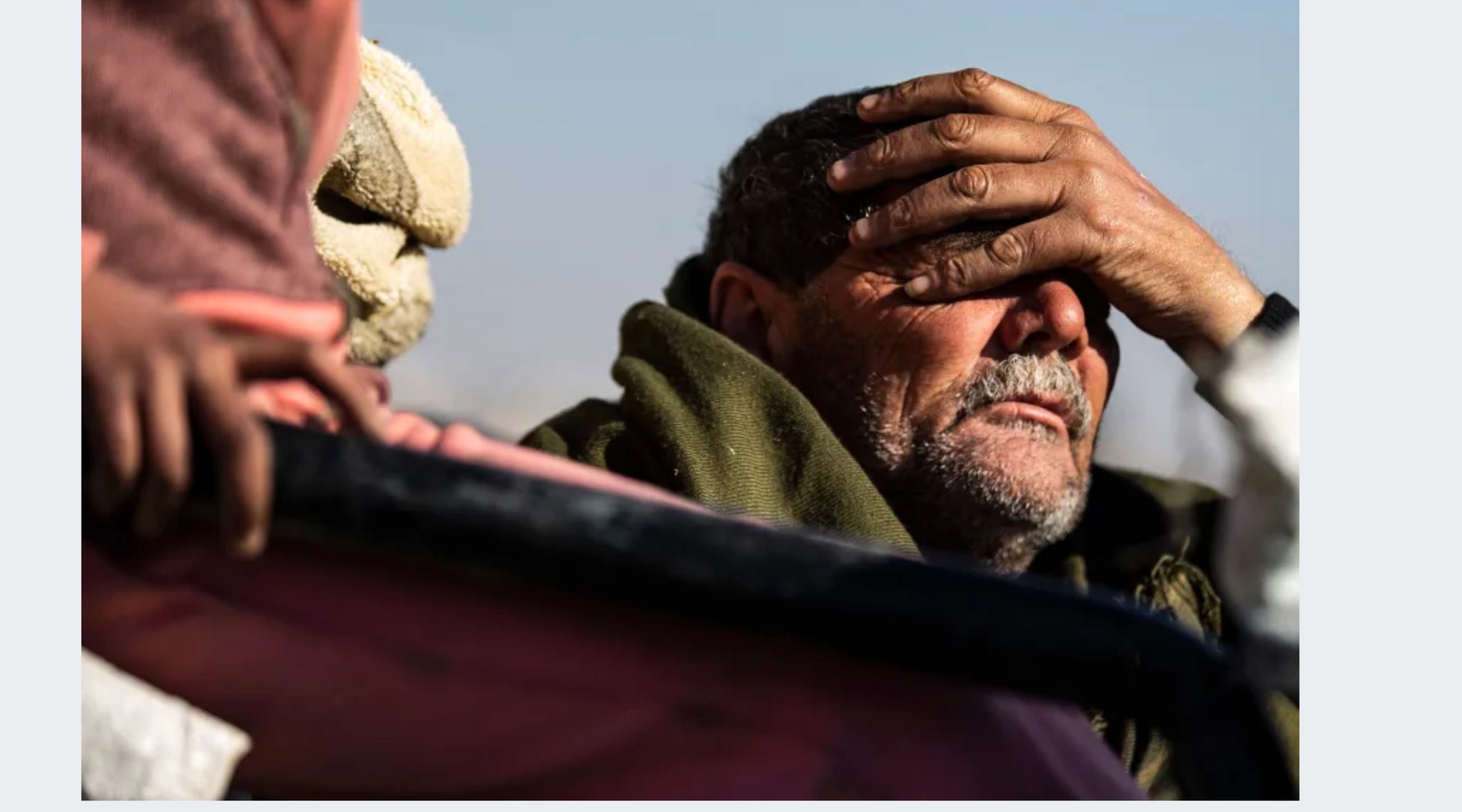
US Involvement and Past Betrayals

After the 1991 US-led multinational forces expelled Saddam Hussein’s Iraqi army from Kuwait, then-US President George H.W. Bush called on the Iraqi military and populace to rebel against the dictator.

However, when Iraqi Kurds initiated uprisings against Hussein’s regime, they did not receive the expected support from the US. As a result, thousands of Kurds were killed and millions displaced.

Kurds allied again with the US during the 2003 American invasion of Iraq.

In Syria, the US-backed Syrian Democratic Forces (SDF) played a principal role in removing the Islamic State’s headquarters from Raqqa.

However, as the political environment shifted, Kurdish support from the US weakened. In 2018, when Iraqi forces pressured Kurds to withdraw from territories won against ISIS, the US offered no assistance and merely watched.

When the US military withdrew from Syria in 2019, the Kurdish-led SDF faced a severe crisis. In 2024, following the fall of Bashar al-Assad’s regime and ensuing conflicts with the new government, Kurds lost control of several territories.
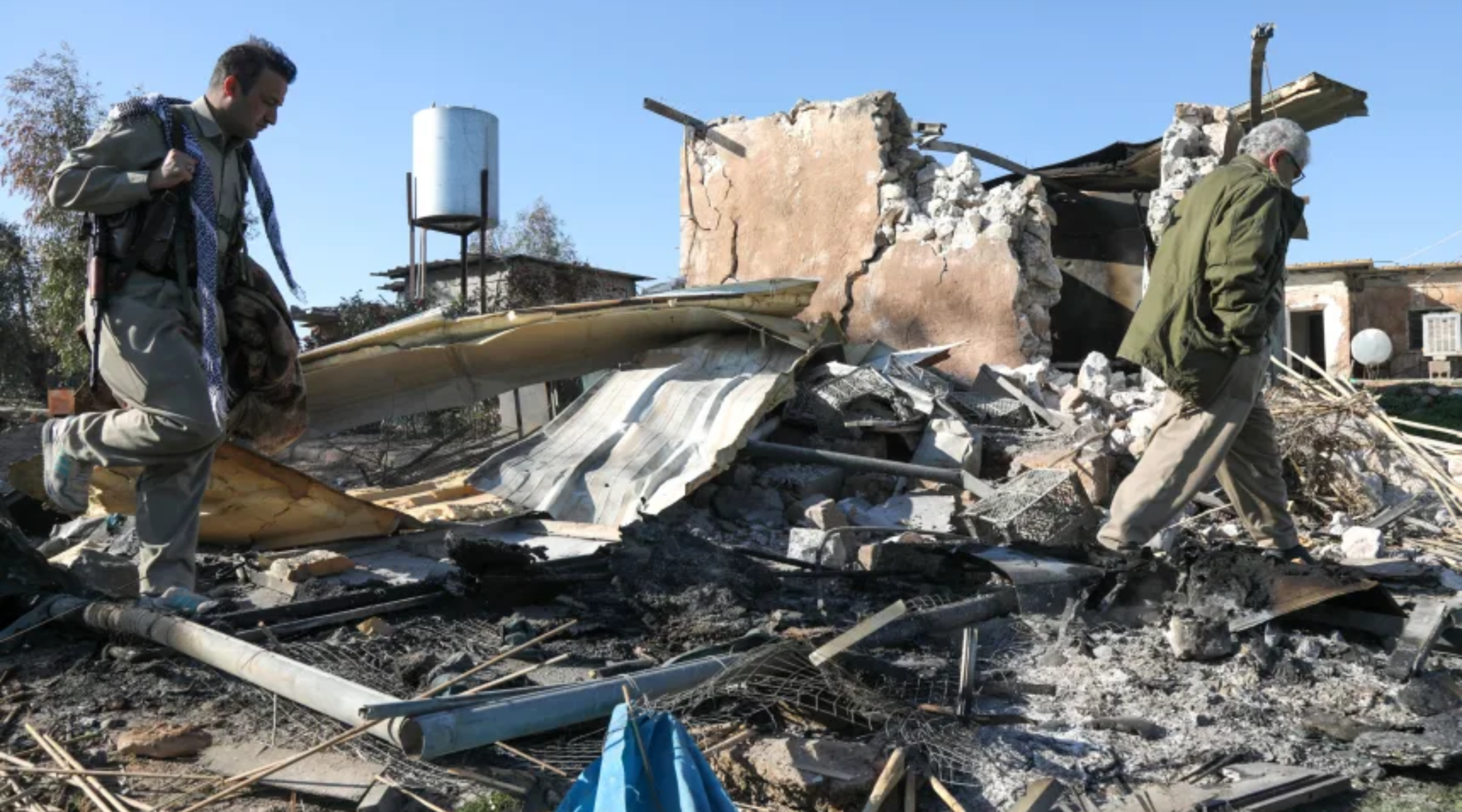
According to Cunningham of the Royal United Services Institute, “When Trump or (Israeli Prime Minister Benjamin) Netanyahu told Kurds to stand and fight Iranian rule, the memory of the Syrian Kurds’ past experience will be fresh. It would be surprising if the Kurds came to see America or Israel as reliable partners. Some may just want military support.”

Analysts note that the close ties between Kurds and the US are a major concern for the Turkish government.

Cunningham added, “If the Kurds manage to consolidate power with US assistance, Turkey will become very fearful.”

However, the establishment of an autonomous Kurdish state remains a distant prospect.

Prominent Kurdish activist Shahnaz Ibrahim Ahmed of Iraq said, “Kurds are mostly remembered only when sacrifices are needed.” She urged, “Do not abandon us alone. We are not mercenary gunmen.”


फिल्म ‘एक मुठ्ठी बादल’ को गीत ‘रेल घुम्यो घुम्तीमा’ सार्वजनिक

First Song ‘Rail Ghumyo Ghumti’ Released for Film ‘Ek Muththi Badal’

The film ‘Ek Muththi Badal’ has announced its release date as Jestha 1 and unveiled its first song, ‘Rail Ghumyo Ghumti.’ The song features vocals by Anchal Sharma, Nisha Sharma, Usha Rajak, and Sahayog Adhikari, with music composed by Sumit Pathak. Director Sahara Sharma stated that the song captures the emotions of women across three generations and expresses the essence of the film.

The music video depicts a joyful atmosphere prior to a wedding. Beginning alongside the wedding preparations, the song reflects personal experiences shared by Nisha Sharma, Usha Rajak, and Anchal Sharma. Sahara Sharma said, “While preparing the song, we aimed to encompass the feelings of women from all generations. We wanted to create a work that our grandmothers as well as granddaughters could relate to, and it feels like we have achieved that goal.”

The song was directed by Pratik Gurung. Krutika Baral handled the choreography, Nihal Bhandari was the cinematographer, and Krishna Bhandari edited the video. The film features a cast including Anchal Sharma, Nisha Sharma, Usha Rajak, Bhima Mainali, Asmita Gautam, Shekhar Chapagain, Manish Niraula, Sahayog Adhikari, Gaurav Bisht, and Aviral Pratap Adhikari. Produced by Abhimanyu Dixit with Nikun Shrestha as executive producer, the film brings together a talented ensemble.

With women leading in nearly all departments, ‘Ek Muththi Badal’ is a joint production by Gounthali Entertainment and Man Production. RR Films will handle distribution of the movie within Nepal.

रुकुमपूर्वको भूमे गाउँ तीन दिनदेखि सञ्चारविहीन – Online Khabar

Communication Disrupted for Three Days in Bhume Rural Municipality, Rukum East

Mobile services of Nepal Telecom have been suspended for three days across several settlements in Bhume Rural Municipality, Rukum East. The absence of mobile connectivity has affected banking services, schools, healthcare, and administrative functions. Nepal Telecom’s Rukum East office has not yet provided any official explanation for the service outage. 18 Chaitra, Rukum East.

Telephone services have remained down for three days in various villages within Bhume Rural Municipality, Rukum East. The suspension of Nepal Telecom’s mobile service is severely impacting local livelihoods. Since the disruption began on Monday, areas such as Jhumlabang, Morabang, Sima, Jitkhola, Khabang, and Mahat have been left without communication. As dependence on mobile networks grows, the blockage is hindering banking, educational activities, healthcare, and administrative operations of the municipality.

With interruptions to digital service provision, residents are facing difficulties in managing daily affairs. Despite the ongoing disruption, Nepal Telecom’s Rukum East office has yet to release an official statement clarifying the cause. Meanwhile, following the outage, local resident Chandra Rasaily highlighted the issue on social media, noting that the telecom tower located in Mahat, Bhume-6, has not been sustainably managed. He pointed out that recurrent power outages in the area repeatedly cause service interruptions, compounding the problem.

Explosion at Isfahan Site Housing Iranian Nuclear Facility and Air Force Base Amid Conflict

Significant explosions have occurred in Isfahan, a city that hosts an Iranian nuclear facility and the main base of the air force. A video released just 10 minutes after the airstrike reveals that the city includes a nuclear center, the primary air force base, and several other military installations.

Iranian media indicate that the airstrikes targeted multiple “military sites,” according to reports by AFP. Earlier, Israeli Prime Minister Benjamin Netanyahu stated that his country has already achieved more than half of its predetermined goals in the ongoing conflict.

The United States and Israel have been conducting attacks against Iran since last month.

Four-Time World Champion Italy Fails Again in FIFA World Cup Qualifiers

Four-time world champion Italy has once again faced failure in the 2026 FIFA World Cup qualifiers. After losing 4-1 in a penalty shootout against Bosnia and Herzegovina, Italy has missed out on qualifying for the World Cup for the third consecutive time. Bosnia and Herzegovina have earned this opportunity for the first time in 14 years. Kathmandu, April 1 – Italy, four-time world champions, have encountered another setback in their FIFA World Cup qualification campaign. In the European playoff held Tuesday night for the 2026 World Cup, jointly hosted by the United States, Canada, and Mexico, Italy was defeated 4-1 on penalties by Bosnia and Herzegovina, preventing them from qualifying for the third consecutive tournament.

Italy had also missed out on qualification in both 2018 and 2022, losing in the playoff stages each time. The match, held at Bosnia’s Bilino Polje Stadium, saw Italy fail to convert two of their first three penalties, leading to their defeat. Following the loss, Italy’s coach Gennaro Gattuso expressed how difficult it was to accept the situation and said it deeply saddened him.

The match had ended 1-1 after regulation time, with the result decided via a penalty shootout. Michael Keane gave Italy the lead by scoring in the 15th minute, but Alessandro Bastoni received a red card in the 41st minute, reducing Italy to ten players. Bosnia’s Haris Tavašević equalized in the 79th minute. Under the leadership of 40-year-old captain Edin Džeko, Bosnia and Herzegovina secured their second-ever FIFA World Cup qualification, their first since 2014.

Having qualified for the World Cup after 14 years, Bosnia will now compete in Group B with Canada, Qatar, and Switzerland.

Turkey Qualifies for FIFA World Cup After 24 Years

Summary

  • Turkey has qualified for the FIFA World Cup after 24 years.
  • On Tuesday night, Turkey secured its World Cup spot by defeating Kosovo in the European playoff.
  • Turkey will compete in Group C against the USA, Australia, and Paraguay.

March 31, Kathmandu – The European nation Turkey has qualified for the FIFA World Cup after 24 years.

On Tuesday night, Turkey defeated Kosovo 1-0 in the European playoff to secure qualification for the 2026 World Cup, which will be jointly hosted by the United States, Canada, and Mexico.

Turkey last participated in the 2002 World Cup held in Asian countries Japan and South Korea, where they finished in third place.

However, Turkey missed out on qualification in the next five editions and has now earned their World Cup spot by winning through the playoffs.

Kerem Aktürkoğlu scored the decisive goal in the 53rd minute to send Turkey to the World Cup.

Four years ago, Turkey came close but lost to Portugal in the playoff semifinals.

Meanwhile, Kosovo was unable to achieve its goal of qualifying for the World Cup for the first time.

Turkey will now compete in Group C against co-host United States, Australia, and Paraguay.