Author: space4knews

आज यस्तो छ विदेशी मुद्राको विनिमयदर – Online Khabar

Today’s Foreign Exchange Rate Details

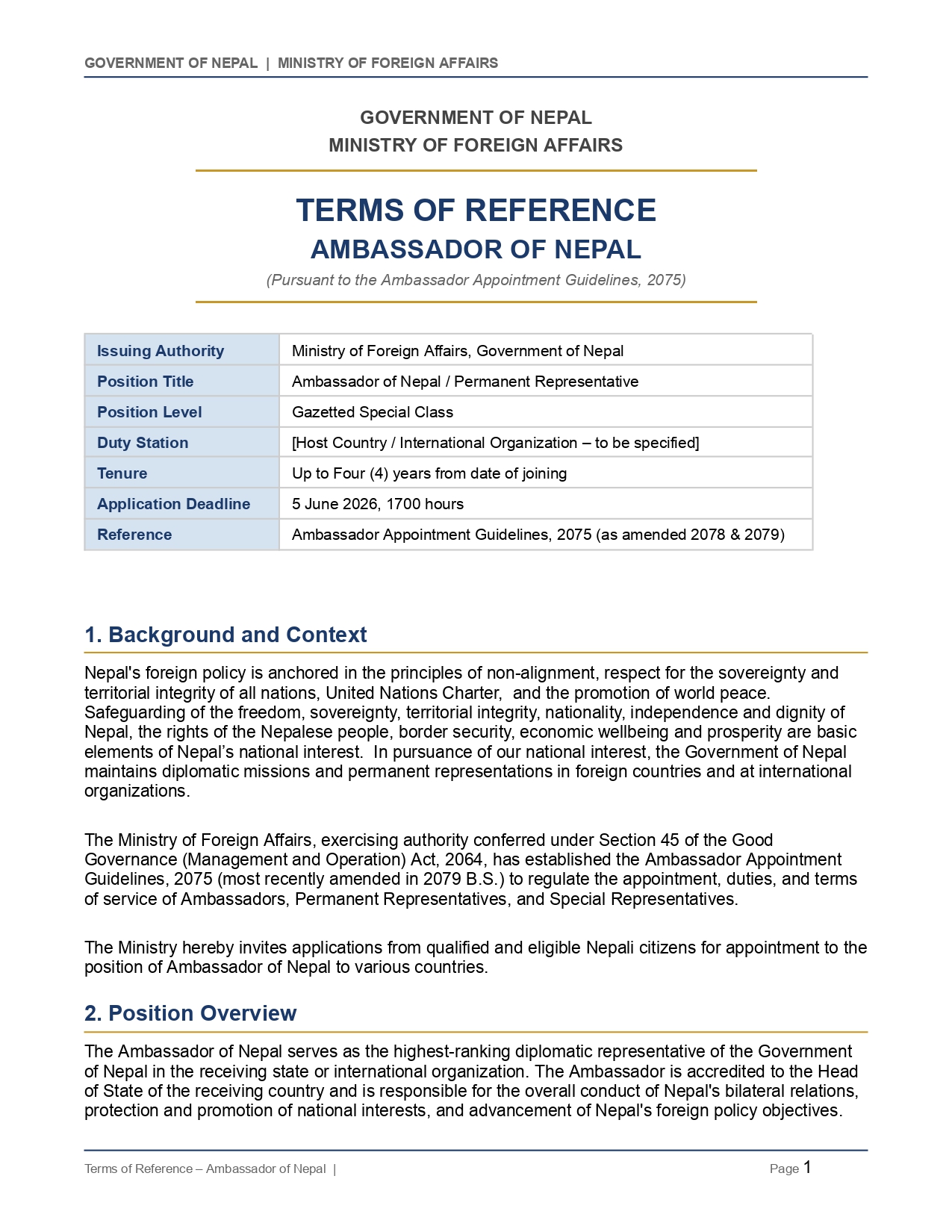
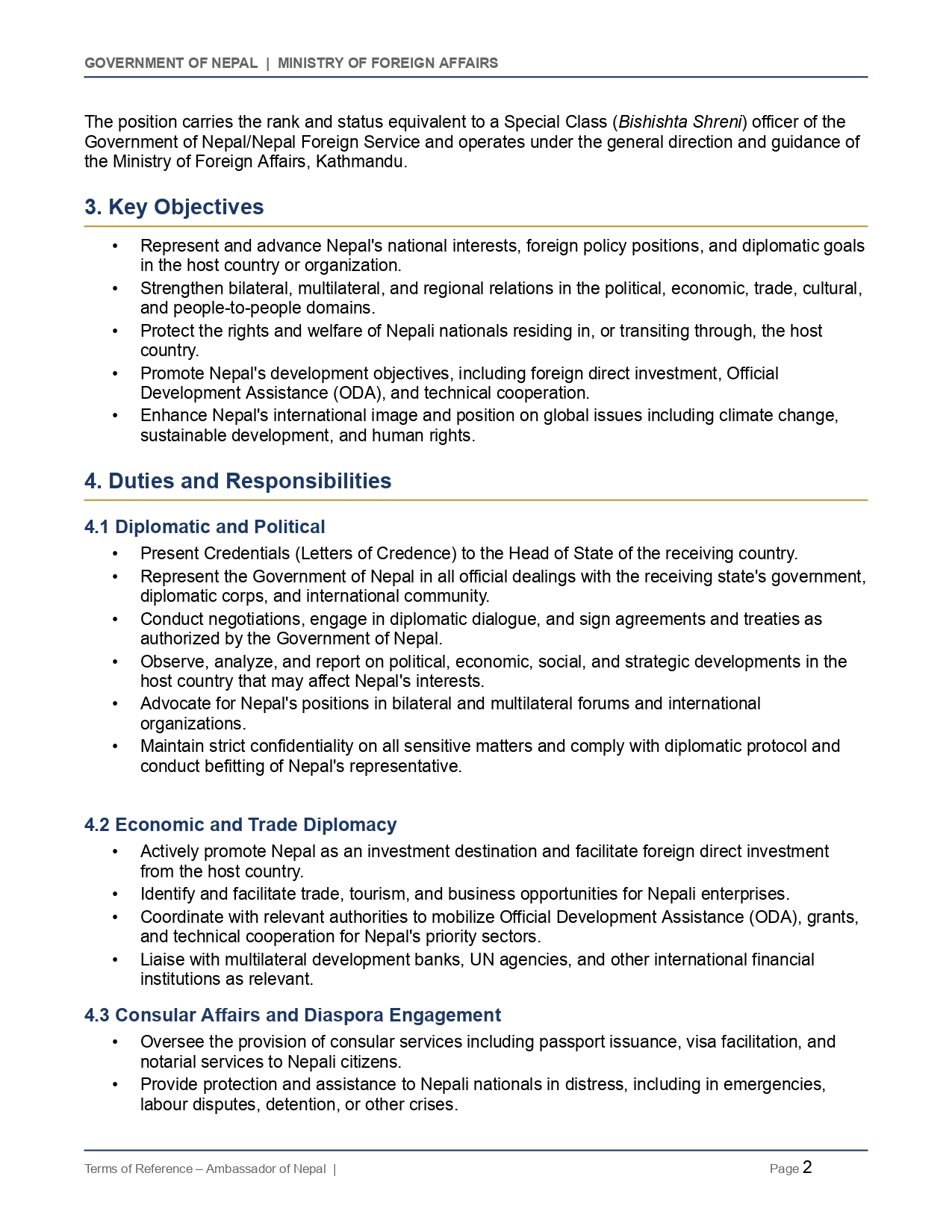
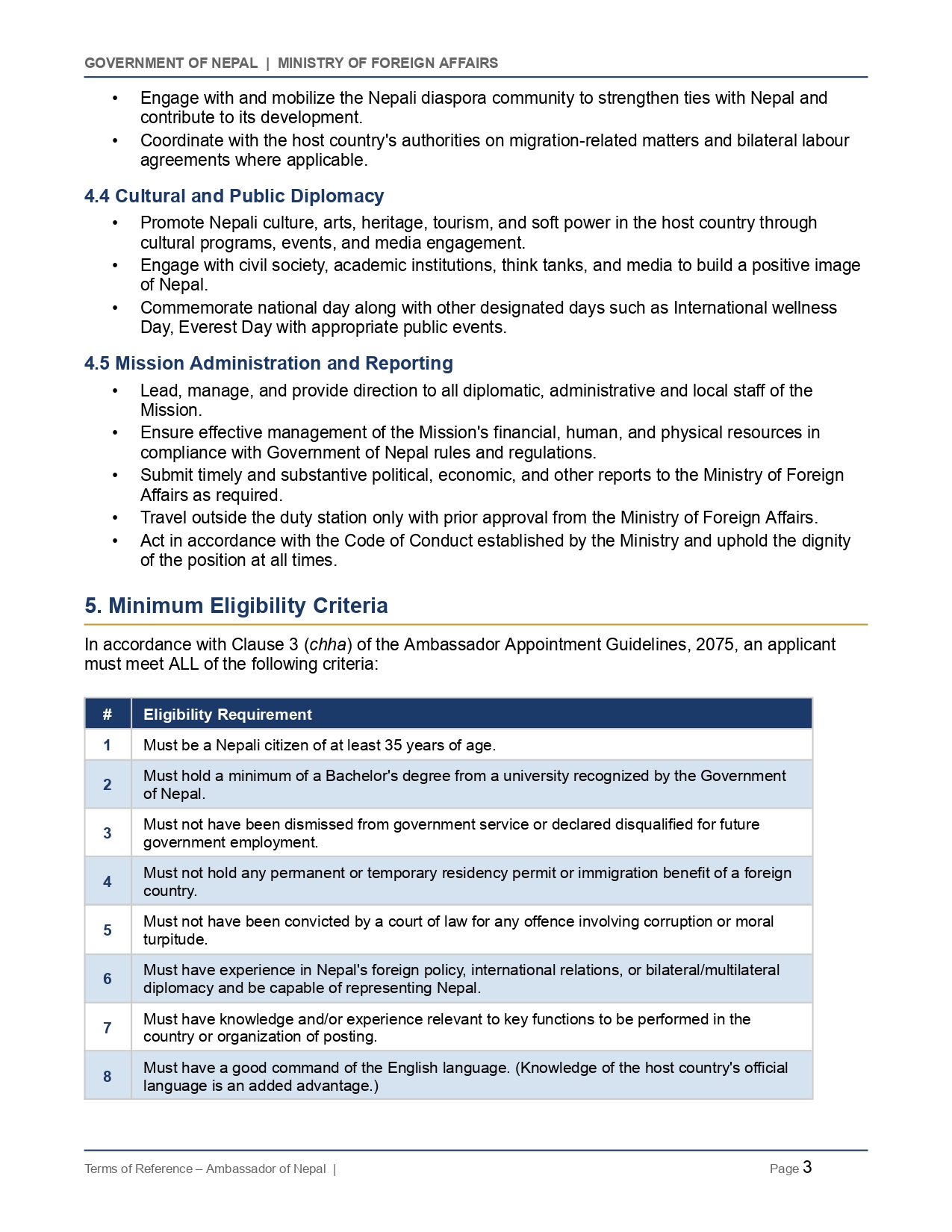
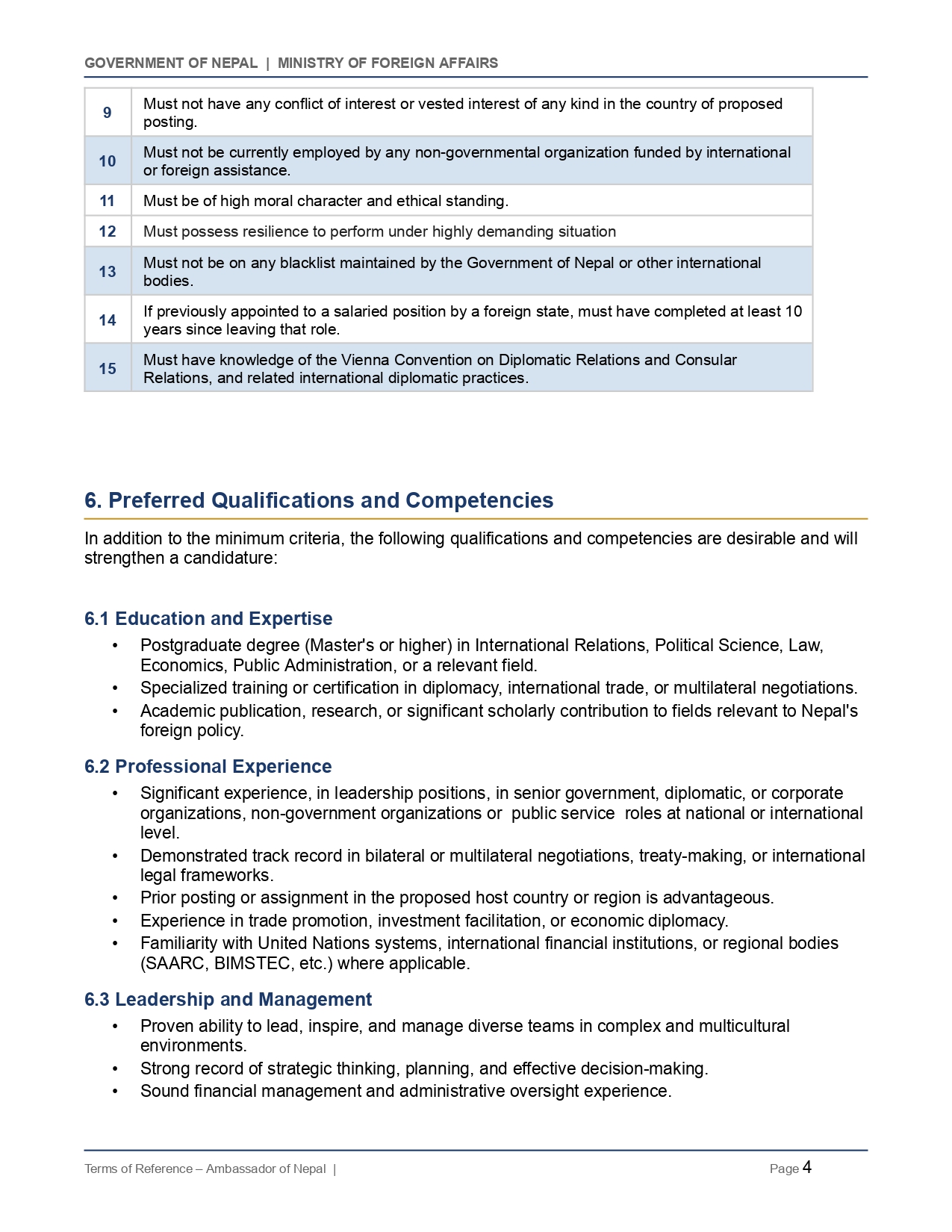
5 Baisakh, Kathmandu – Nepal Rastra Bank has set the foreign currency exchange rates for today. The rate for US Dollar is set at a buying rate of NPR 148.39 and a selling rate of NPR 148.99. Similarly, the European Euro has a buying rate of NPR 175.06 and a selling rate of NPR 175.76, while the UK Pound Sterling is priced at NPR 200.75 for buying and NPR 201.56 for selling. The Swiss Franc has a buying rate of NPR 189.65 and a selling rate of NPR 190.41.

The Australian Dollar’s buying rate is NPR 106.40 and selling rate NPR 106.83, while the Canadian Dollar stands at NPR 108.49 for buying and NPR 108.93 for selling. Likewise, the Singapore Dollar is bought at NPR 116.62 and sold at NPR 117.09. The Japanese Yen (per 10 units) has a buying rate of NPR 9.32 and a selling rate of NPR 9.36. The Chinese Yuan is priced at NPR 21.75 for buying and NPR 21.84 for selling. Saudi Arabian Riyal stands at NPR 39.56 for buying and NPR 39.72 for selling, while the Qatari Riyal is priced at NPR 40.70 for buying and NPR 40.86 for selling.

According to the central bank, the Thai Baht’s buying rate is NPR 4.63 and selling rate NPR 4.65. The UAE Dirham is bought at NPR 40.40 and sold at NPR 40.56. Malaysian Ringgit has a buying rate of NPR 37.54 and a selling rate of NPR 37.70. The South Korean Won (per 100 units) is priced at NPR 10.03 for buying and NPR 10.07 for selling. The Swedish Krona is bought at NPR 16.18 and sold at NPR 16.25, while the Danish Kroner has a buying rate of NPR 23.42 and a selling rate of NPR 23.52. Nepal Rastra Bank has set Hong Kong Dollar rates at NPR 18.95 for buying and NPR 19.03 for selling. Kuwaiti Dinar is priced at NPR 484.62 for buying and NPR 486.58 for selling. Bahraini Dinar stands at NPR 393.53 for buying and NPR 395.12 for selling, whereas the Omani Riyal is set at NPR 385.42 for buying and NPR 386.98 for selling. Indian Rupee (per 100) is bought at NPR 160 and sold at NPR 160.15.

Nepal Rastra Bank has stated that it may revise these exchange rates at any time as deemed necessary. Commercial banks may offer slightly different rates, and the latest exchange rates will be available on the central bank’s official website.

World Heritage Day Observed Today: Gahana Pokhari–Bhatbhateni Trek Organized

Basantapur area of Kathmandu, a UNESCO World Heritage site. File photo. Kathmandu, 19 April – World Heritage Day is being observed today to promote the conservation of heritage and raise public awareness. Established by UNESCO, the day has been celebrated annually on April 18 since 1983 to safeguard World Heritage sites globally. In Nepal, the designated World Heritage areas include Kathmandu (Basantapur, Patan and Bhaktapur Durbar Squares, Changu Narayan, Pashupati, Boudha, Swayambhu), Lumbini, Chitwan, and Sagarmatha National Park.
On this occasion, the Tourism Office under the Ministry of Culture and Tourism of the Bagmati Province government has organized a morning trek in the capital. According to the office chief, Pawan Kumar Pokharel, the trek will proceed from Gahana Pokhari to Bhatbhateni Temple. Following the trek, there will be an interactive program focusing on the cultural significance of the Handigaun area, which will include participation from the Minister for Culture and Tourism of Bagmati Province, Suresh Shrestha.

Two Arrested in Thamel with 28 Counterfeit 500-Note Bills

Police have arrested Ram Kumar Pakhrin and Shiv Ghising in Kathmandu’s Thamel area with 28 counterfeit 500-rupee banknotes. The arresting authority also confiscated a machine used to print fake notes, according to SSP Ramesh Thapa of the Kathmandu District Police Office.

The arrested individuals are 32-year-old Ram Kumar Pakhrin from Phulbari, Rautahat, and 24-year-old Shiv Ghising from Ghyanglekh Rural Municipality-5, Sindhuli. They were apprehended by a team deployed from the Sohakhutte Police Post.

Besides the 28 counterfeit 500-rupee notes, the authorities seized the printing machine used to produce the fake currency, SSP Ramesh Thapa confirmed.

Following the arrests, the Kathmandu District Court has granted a five-day investigation period, during which the police will continue their inquiries.

तामेलीको फाइल जगाएर ओली-लेखकमाथि अनुसन्धान गरिरहेका छौं – Online Khabar

Investigation Continues Against Oli and Lekhak Following Seizure of Tameli File

Although former Prime Minister KP Sharma Oli and former Home Minister Ramesh Lekhak were released after 13 days of detention, investigations against them remain ongoing, according to SP Pawan Kumar Bhattarai of the Kathmandu District Police Office. The Karki Commission found Oli and Lekhak guilty, recommending action under Sections 181 and 182 of the Muluki Criminal Code, a measure subsequently implemented by the Council of Ministers. Kathmandu, April 17.

The police have confirmed that investigations into former Prime Minister and CPN-UML Chairman KP Sharma Oli and former Home Minister and Congress leader Ramesh Lekhak continue even after their release from custody. Both were freed following 13 days in detention, but Kathmandu District Police Office SP and spokesperson Pawan Kumar Bhattarai emphasized that inquiries are still underway. ‘There is some public curiosity about the nature of ongoing investigations after their release, but the fact remains that investigations are continuing,’ SP Bhattarai remarked.

According to Bhattarai, investigators are advancing their work after retrieving the Tameli file. The Kathmandu Police Office received nine petitions related to the September 8 (Bhadra 23) JNG protest violence. Following the Attorney General’s office decision, these were filed under Tameli on October 14 (Asoj 27). Among these, investigation is actively proceeding on one petition for which the Tameli has been retrieved. ‘We are investigating by retrieving the Tameli for one petition. Evidence and facts are being collected,’ Bhattarai explained.

Current investigative measures include reviewing autopsy, challan, and forensic documents, analyzing CCTV footage, and examining documents of eyewitnesses and individuals present at the scene. A commission led by former Chief Justice Gauribahadur Karki was established to investigate the incident. The government decided to implement the commission’s report on March 26. Subsequently, on the morning of March 27, Oli and Lekhak were arrested at their residence in Bhaktapur. They were released on bail and appear before court as per the Supreme Court’s directives on April 9. Home Minister Sudhan Gurung has expressed dissatisfaction with the court ruling. In a dialogue with security and home administration journalists on Thursday, Minister Gurung stated, ‘They were apprehended after a night of effort, yet the court released them. It is not ministers who must deliver justice, but judges.’

During the September 8–9 JNG protests, KP Sharma Oli was the Prime Minister and Ramesh Lekhak served as the Home Minister. On September 8 alone, security forces opened fire resulting in 19 deaths in Kathmandu and 2 in other districts, totaling 21 fatalities. Including September 9, the total death toll reached 76. The commission headed by former Chief Justice Gauribahadur Karki investigated the event and held Oli and Lekhak responsible, recommending disciplinary action. The recommendations referred to Sections 181 and 182 of the Muluki Criminal Code, which address negligence causing death. The commission found that government forces were used during the September 8 protest and efforts to stop the use of force were absent, holding Oli and Lekhak accountable. The Council of Ministers, led by Minister Walden Shah, approved the commission’s recommendations and ordered enforcement, after which Oli and Lekhak were arrested.

Debate Concludes in Supreme Court on Nepali Congress Legitimacy Dispute; Bishwoprakash Sharma Delivers Final Argument

April 17, Kathmandu – The hearing on the writ petition challenging the legitimacy of the Nepali Congress concluded today. The case was heard by Supreme Court Justices Sharanga Suvedi and Nripadhwaj Niraula, with proceedings having begun on Thursday. On Friday, lawyers from both the petitioner and respondent sides presented their arguments. Following the reply arguments, Nepali Congress Vice President Bishwoprakash Sharma delivered the final submission on behalf of the respondents. With the conclusion of the hearing, a decision is expected imminently.

In the last week of Poush (mid-January), a special general convention held at Bhrikutimandap, Kathmandu, dissolved the executive committee led by Sher Bahadur Deuba, which had been elected at the 14th general convention. A new executive committee under the leadership of Gagan Thapa was elected during this special convention. The Election Commission recognized the legitimacy of the committee selected at this convention. Subsequently, Deuba and then acting chairperson of the previous executive committee, Purn Bahadur Khadka, challenged the Election Commission’s decision by petitioning the Supreme Court.

विश्वप्रकाश शर्मा – Online Khabar

Bishwprakash Sharma Commits to Moving Forward with Renewed Energy

Following the Supreme Court’s official recognition of the Nepali Congress led by Gagan Kumar, Vice-Chairperson Bishwprakash Sharma expressed his commitment to advancing with renewed energy. On social media, he declared, “We will move forward with renewed energy,” emphasizing his resolve to unite all senior leaders in this effort.

Sharma outlined plans to strengthen the transformed Congress while ensuring the victory and welfare of all. He aims to embark on a journey of new possibilities for the party. Dated 4th Baisakh, Kathmandu, he stated, “We will move forward with renewed energy. I will bring along all respected senior leaders as we advance.”

Accompanying a photo of him garlanding Gagan Thapa during his chairmanship, Sharma wrote, “We will advance by guaranteeing everyone’s victory and welfare. We will make the changed Congress even stronger and proceed on a journey of new opportunities.”

In a tweet, he added, “We will move forward with renewed energy! I will bring along all respected senior leaders! Ensuring everyone’s victory and welfare, we will move forward! We will strengthen the transformed Congress and step into a journey of new possibilities! Jai Nepal!”

Fugitive Prisoner Sentenced to 25 Years Imprisonment Arrested

April 17, Kathmandu – A fugitive who had been sentenced to 25 years in prison has been apprehended. The arrested individual is 42-year-old Yagyakumar Sapkota, also known as Santosh, from Makwanpur. He was caught by a team from the Kathmandu Valley Crime Investigation Office.

Sapkota was found guilty in the case of murdering 32-year-old Santoshi Shrestha by hitting her with a hammer in Balkhu on March 15, 2021. The Kathmandu District Court sentenced him to life imprisonment, equivalent to 25 years in prison, on September 14, 2021.

While serving his sentence, he escaped from Sundhara Jail during the people’s movement on September 9, 2021. Sapkota was apprehended in Harisiddhi, Lalitpur, and has been sent back to Sundhara Jail to continue his imprisonment.

महिला सांसदले हाँक्नेछन् ६ संसदीय समिति – Online Khabar

Six Parliamentary Committees Led by Women MPs

April 17, Kathmandu – The Federal Parliament consists of a total of 16 parliamentary committees. Among these, six committees are chaired by women. The Federal Parliament is divided into two houses. The National Assembly has four parliamentary committees, with two chaired by women and two by men. Pooja Chaudhary chairs the Public Policy and Assigned Legislation Committee, while Jayanti Devi Rai leads the Committee on Federalism Empowerment and National Concerns. Krishna Prasad Paudel chairs the Development, Economic Affairs, and Good Governance Committee, and Krishna Bahadur Rokaya heads the Legislative Management Committee.

The House of Representatives has ten parliamentary committees. Additionally, two joint committees have been formed with members from both houses. The last assembly of these committees was held on Monday. Among the 12 committee chairs elected on Friday, four are women. Review Baskota was elected chair of the Law, Justice, and Human Rights Committee; Aakriti Awasthi leads the Women and Social Affairs Committee; Sumnima Udas heads the International Relations and Tourism Committee; and Ojaswi Sherchan chairs the Education, Health, and Information Technology Committee. The remaining committees are led by men. Hari Dhakal chairs the State Structure and Governance Committee; Ashokkumar Chaudhary leads the Agriculture, Cooperatives, and Natural Resources Committee; Ashish Gajurel heads the Infrastructure Development Committee; Bodharayan Shrestha leads the Parliamentary Hearing Committee; Rahbar Ansari chairs the Industry, Commerce, Labour, and Consumer Rights Committee; and Krishna Hari Budhathoki leads the Finance Committee. Bharat Khadka chairs the Public Accounts Committee, and Ganesh Karki was elected head of the Committee for Monitoring and Evaluation of Principles, Policies, and Implementation Responsibilities of the State.

New NEPSE Circuit Breaker Rule with 8% Index Limit to be Effective from Monday

The Nepal Stock Exchange (NEPSE) will implement a new circuit breaker system starting Monday. According to this, if the index moves up or down by 5% within the first two hours of trading, the first circuit breaker will be triggered. This will result in a 15-minute trading halt. Subsequently, if the index fluctuates by 8% in either direction after trading resumes, a second circuit breaker will activate, leading to the suspension of trading for the remainder of the day. Previously, there were three circuit breakers in place, but under the new rule, there will be only two, with an increased threshold for activation. (April 17, Kathmandu)

Beginning Monday, the stock market will enforce the revised circuit breaker regulation. NEPSE has amended the current trading regulations to apply these new rules from next Monday onward. Under this system, if the NEPSE index increases or decreases by 5% compared to the previous day within the initial two hours of trading, the first circuit breaker will trigger, halting trading for 15 minutes. When trading resumes, if the index then moves by 8% in either direction, trading will be suspended for the day. This revision reduces the number of circuit breakers from three to two but raises the percentage thresholds. Under the former regulations, the first circuit breaker would activate if the index fluctuated by 4% within the first hour, suspending trading for 20 minutes. The second circuit breaker would halt trading for 40 minutes if a 5% change occurred after the first halt. Finally, if after this the overall NEPSE index changed by 6% compared to the previous day, the third circuit breaker would suspend trading for the rest of the day.

आईपीएलमा गुजरातको तेस्रो जित, कोलकाता अझै जितविहीन

Gujarat Titans Secure Third Win in IPL; Kolkata Knight Riders Remain Winless

Gujarat Titans triumphed over Kolkata Knight Riders by 5 wickets in an IPL cricket match, securing their third victory. Chasing a target of 181 runs set by Kolkata, Gujarat reached the total with just 2 balls remaining, losing 5 wickets in the process. Captain Shubman Gill delivered an outstanding performance, scoring the highest 86 runs off 50 balls, including 8 fours and 4 sixes. Alongside him, Jos Buttler contributed 25 runs and Sai Sudharsan added 23 runs.

Kolkata’s Varun Chakravarthy took 2 wickets, while Vaibhav Arora, Sunil Narine, and Ramandeep Singh claimed 1 wicket each. After winning the toss, Kolkata elected to bat first but were bowled out for 180 runs in 20 overs. Cameron Green top-scored for Kolkata with 79 runs, followed by Rovman Powell with 27 runs and Tim Seifert adding 19. Kagiso Rabada took 3 wickets for Gujarat, while Mohammed Siraj and Ashok Sharma secured 2 wickets each. Prasidh Krishna and Rashid Khan also chipped in with 1 wicket apiece. With this victory, Gujarat amassed 6 points from 6 matches, climbing to 4th place, whereas Kolkata remains winless with 1 point from 6 matches, positioned 10th on the table.

Deadline for Entry into Project Bank Extended to April 23

The National Planning Commission has extended the deadline for entering projects into the Project Bank until April 23. The commission made this decision in a meeting held on April 12, based on requests from ministries and agencies for additional time. According to existing regulations, new projects for the fiscal year 2081 must be entered into the Project Bank by the end of the current fiscal year’s mid-March.

Under the National Project Bank (Operation and Management) Standards 2081, new projects to be implemented in the upcoming fiscal year must be registered in the Project Bank by mid-March of the current fiscal year. Initially, the commission had set the deadline as March 15, later extending it to March 22. However, following verbal requests from relevant ministries and agencies citing the need for more preparation time, the commission decided during its meeting on April 12 to further extend the deadline to April 23. Previously, the commission instructed ministries and agencies to correct and enter projects as per the prescribed format, citing non-compliance with the established entry procedure.

Supreme Court Permits Bail for Balen Shah Considering His Role and Responsibilities

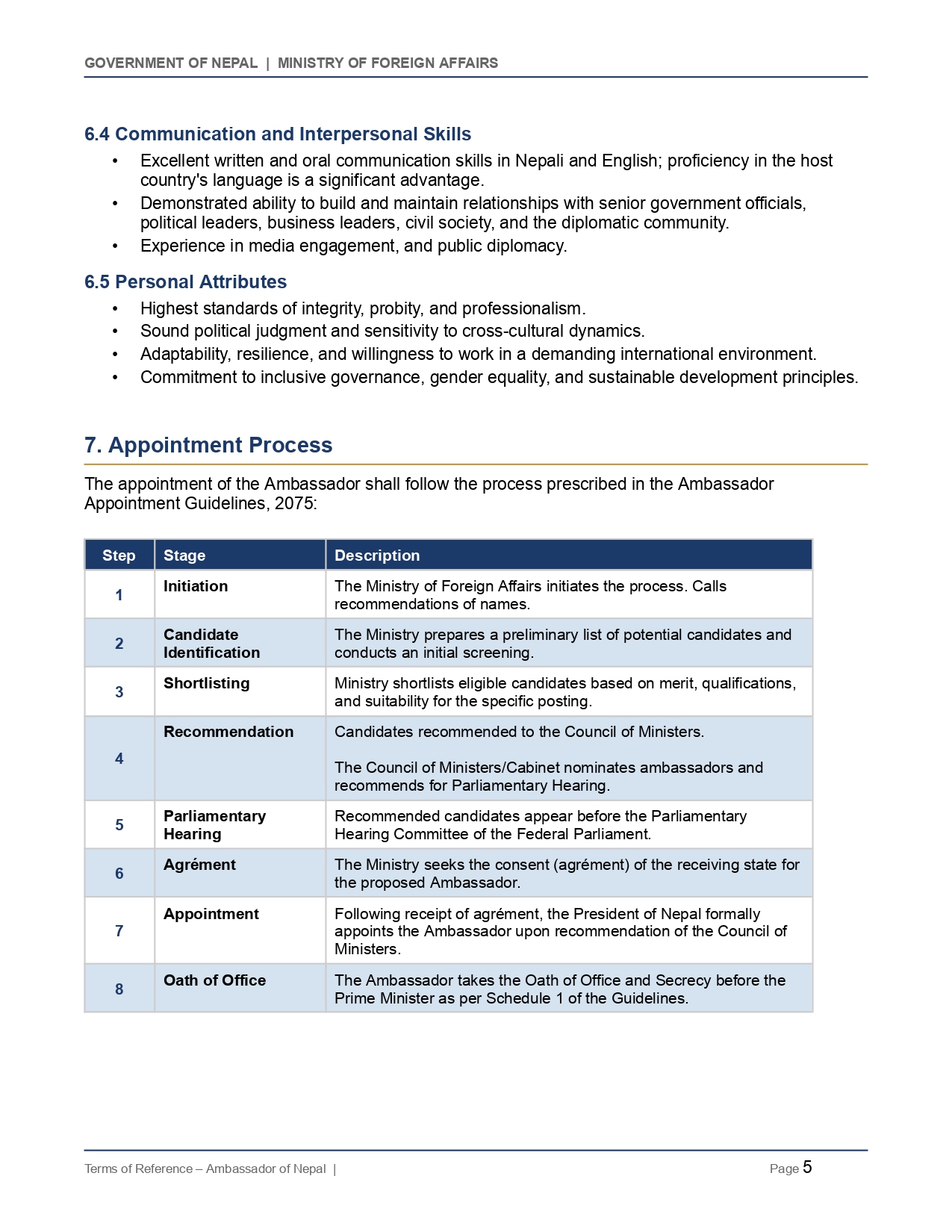
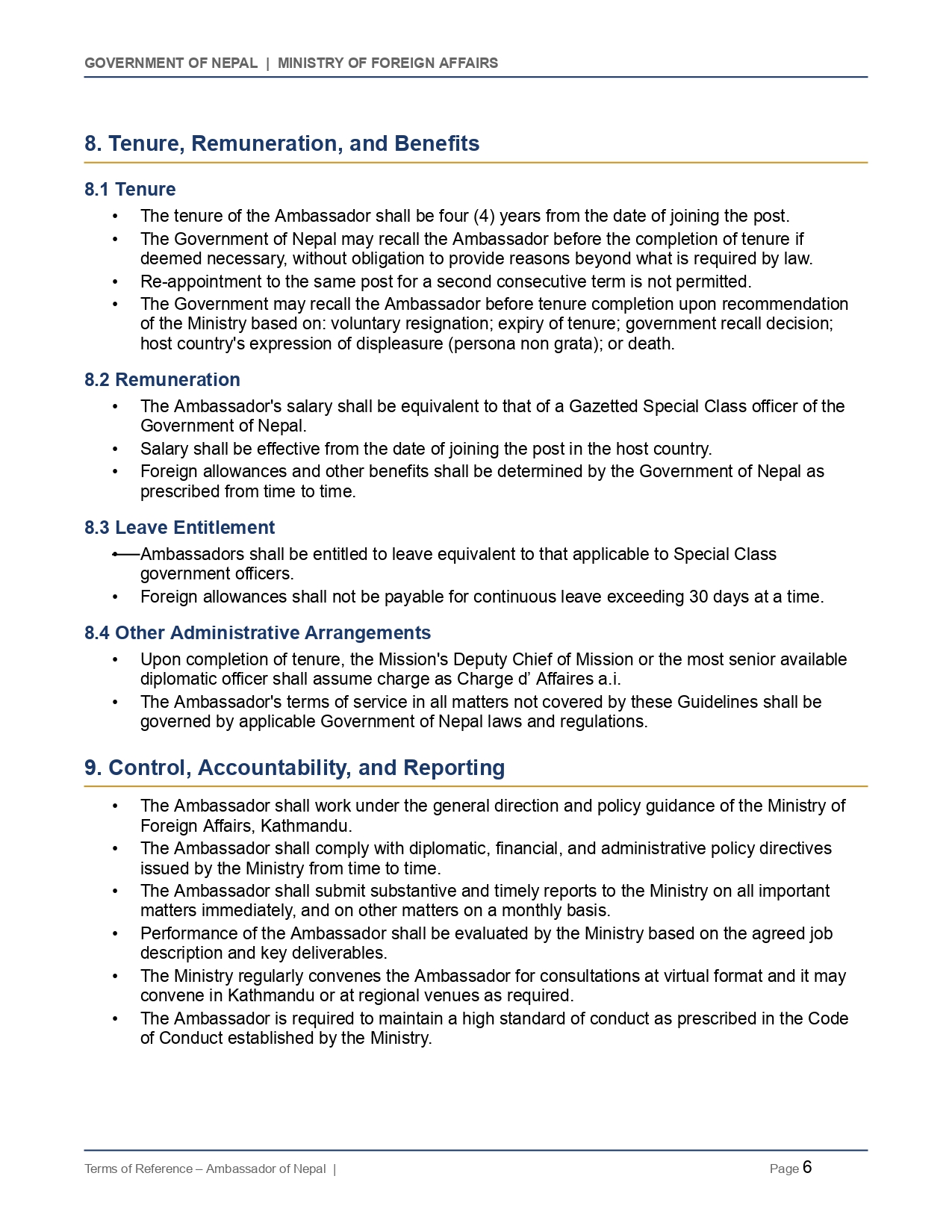
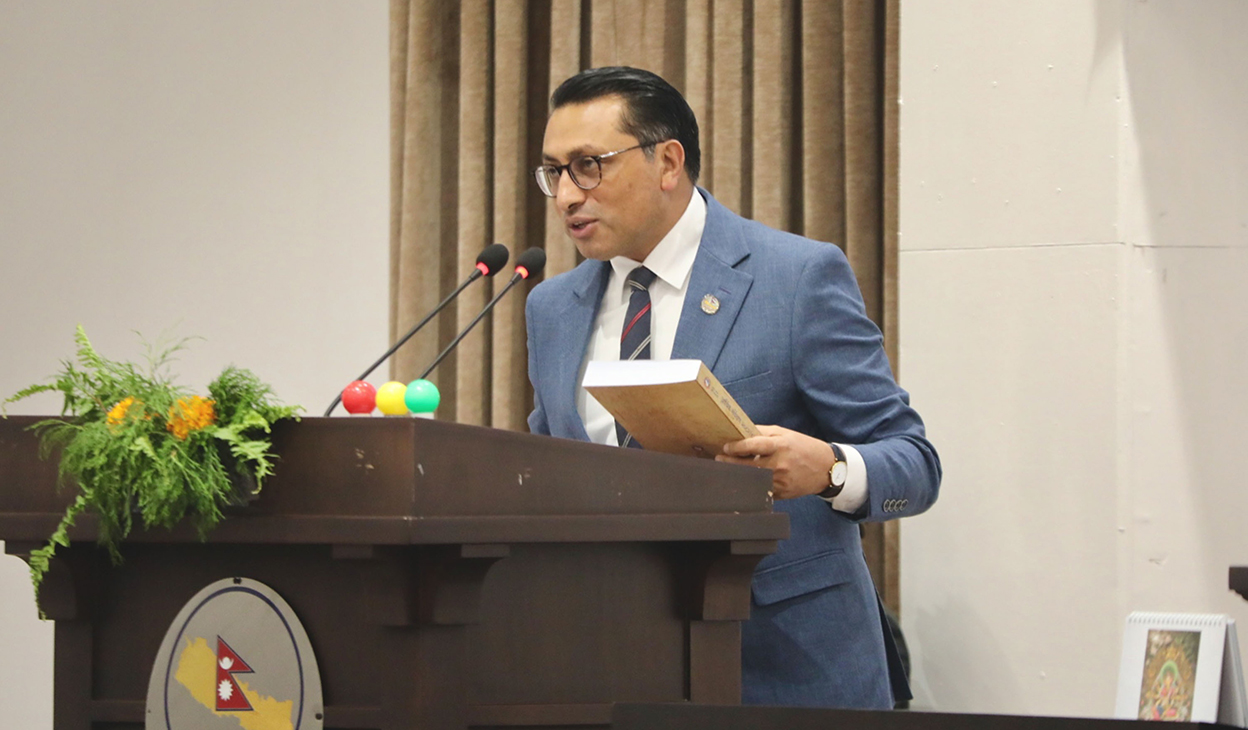
The Supreme Court has granted bail to Chief Minister Balen Shah in a contempt of court case, acknowledging his official duties. Shah had requested bail, citing his role as Prime Minister that prevents him from appearing personally in court. Earlier, bail was denied due to comments related to the court’s role made on social media. Kathmandu, 18 April.

The Supreme Court issued an order allowing bail in the contempt case against Balen Shah, considering his official responsibilities and role. Shah had filed a petition in the Supreme Court seeking bail. The bench, comprising Justices Hari Phuyal and Shanti Singh Thapa, acknowledged Shah’s consistent attendance at court and accepted the necessity of his present official duties, thus granting bail.

“On 10 July 2023, this court ordered the presence of the accused. Accordingly, Balen Shah has been continuously appearing before the court as scheduled,” the Supreme Court stated in its order. “Taking into account Balen Shah’s current role and responsibilities, bail has been permitted as per the petition.” Shah requested bail asserting that personally appearing in the case as Prime Minister would affect the principle of separation, control, and balance of powers.

The dispute arose when Mayor Shah of Kathmandu Metropolitan City halted the screening of an Indian film containing controversial content related to Nepal. In response, Patan High Court issued an interim order. On 22 June 2023, after public comments on social media supporting the court’s role, Barsha Kumari Jha filed a petition demanding contempt proceedings against Mayor Shah. After submitting a written response, Mayor Shah requested arrangements to appear in court via bail. Previously, bail was denied due to concerns that social media expressions had caused public confusion.

गगन-विश्वको पार्टी विद्राेहकाे वैधानिकता, असन्तुष्टलाई सम्हाल्ने के छ अस्त्र ?  

Supreme Court Validates Gagan-Led Party Rebellion: What Are the Ways to Address Internal Dissent?

April 17, Kathmandu – The Supreme Court on Friday night legally resolved the ongoing internal leadership transition dispute within the Nepali Congress that has lasted for eight months. The court validated the leadership elected during the special convention led by Gagan Thapa, offering a legal solution to the party’s conflict. This recognition officially acknowledges the risks taken by leaders like Gagan Thapa and Bishwaprakash Sharma in pushing for leadership change.

Following widespread criticism of Sher Bahadur Deuba’s leadership after the Jenji movement, then General Secretary Gagan Thapa, Bishwaprakash Sharma, and other leaders initiated a rebellion within the party demanding leadership change. Although they called for a special convention, the existing leadership at the time rejected the proposal. Subsequently, voices from 40 percent of convention delegates demanded the special convention be held, but the establishment faction attempted to delay it, facing strong opposition from Gagan Thapa and Bishwaprakash Sharma.

At Bhrikuti Mandap, with 54 percent delegate presence, a decision was made to change the party leadership and amend policies, a move also deemed valid by the Election Commission. However, leaders including then Acting Chairperson Purna Bahadur Khadka contested the commission’s decision in the Supreme Court. Notably, leaders from the Deuba faction also took part in the elections held on Falgun 21 under the leadership elected from the special convention. The Supreme Court has now provided clarity on the legal questions raised in the dispute.

By validating the actions of leaders like Gagan Thapa who challenged the established leadership structure, the court confirmed that the internal dissent within the party was constitutionally justified. The Supreme Court granted official recognition to Thapa’s Congress based on four key points:

  • First: The expiry of the old committee’s term was not only technical but also meant the leadership’s legitimacy had ended. Once the leadership’s legitimate period ends, all decisions made automatically come into question, strengthening the justification for a special convention.
  • Second: The court firmly held that failing to hold regular conventions reflects leadership’s incapacity or lack of will. In a democratic party, failure to timely transfer leadership not only indicates poor management but also undermines democratic values. Therefore, demand for a special convention may be necessary.
  • Third: The legal objections raised by the Deuba faction were deemed weak by the court, highlighting that per the party statute, any demand for a special convention must be obligatorily fulfilled.
  • Fourth: The most decisive factor was the court’s acceptance that the leadership elected through the special convention had already gained popular approval by participating in elections, underscoring the democratic principle that the final authority rests with the people.

This order settles the Congress dispute and sets a new legal precedent for the future. Initially, leaders from the Deuba faction reacted strongly to the court ruling. Leader Bimlendra Nidhi declared his continued rejection of the special convention, stating, “Even while respecting the Supreme Court’s decision, I will never accept the special convention.”

Similarly, Prakash Sharan Mahat criticized the ruling as unexpected and unnatural, expressing concern about the party’s direction. He said, “There is doubt about how Congress will move forward. The country is in a challenging situation and so is the Congress; therefore, it is essential to bring everyone together and progress collectively.”

With the court order granting legal recognition to Gagan Thapa’s leadership, the responsibility to resolve party issues now falls squarely on his shoulders. The question remains what path the Deuba faction will take—whether they will accept the verdict and cooperate with the new leadership or start another phase of political resistance. Uncertainty prevails, but rejecting the decision could risk dividing the party. However, Deuba faction leaders believe in the Congress’s democratic and rule-of-law values, raising the possibility of avoiding a split.

Gagan Thapa faces the challenge of managing the party, rebuilding trust, transforming division into unity, and strengthening the party’s connection with the public. Although rising from revolt to leadership is an achievement, the Congress suffered significant setbacks in the last election, making the prevention of any division a primary responsibility.

Vice-Chair Bishwaprakash Sharma has pledged to unite everyone moving forward. General Secretaries Gururaj Ghimire and Pradeep Paudel have also emphasized adopting a path of unity following the court’s decision. Gururaj Ghimire remarked, “The Supreme Court’s decision is just and reflects the outcome of the struggle by Congress members for rule of law and procedure in the country. This is neither anyone’s victory nor defeat.”

Since the leadership elected by the special convention currently holds interim status, the main responsibility ahead is to conduct the 15th general convention, scheduled for October. All eyes will be on how Gagan and Bishwaprakash manage to bring the party together in unity.

Foreign Employment Department Mandates Clear Contact Details in Advertisements

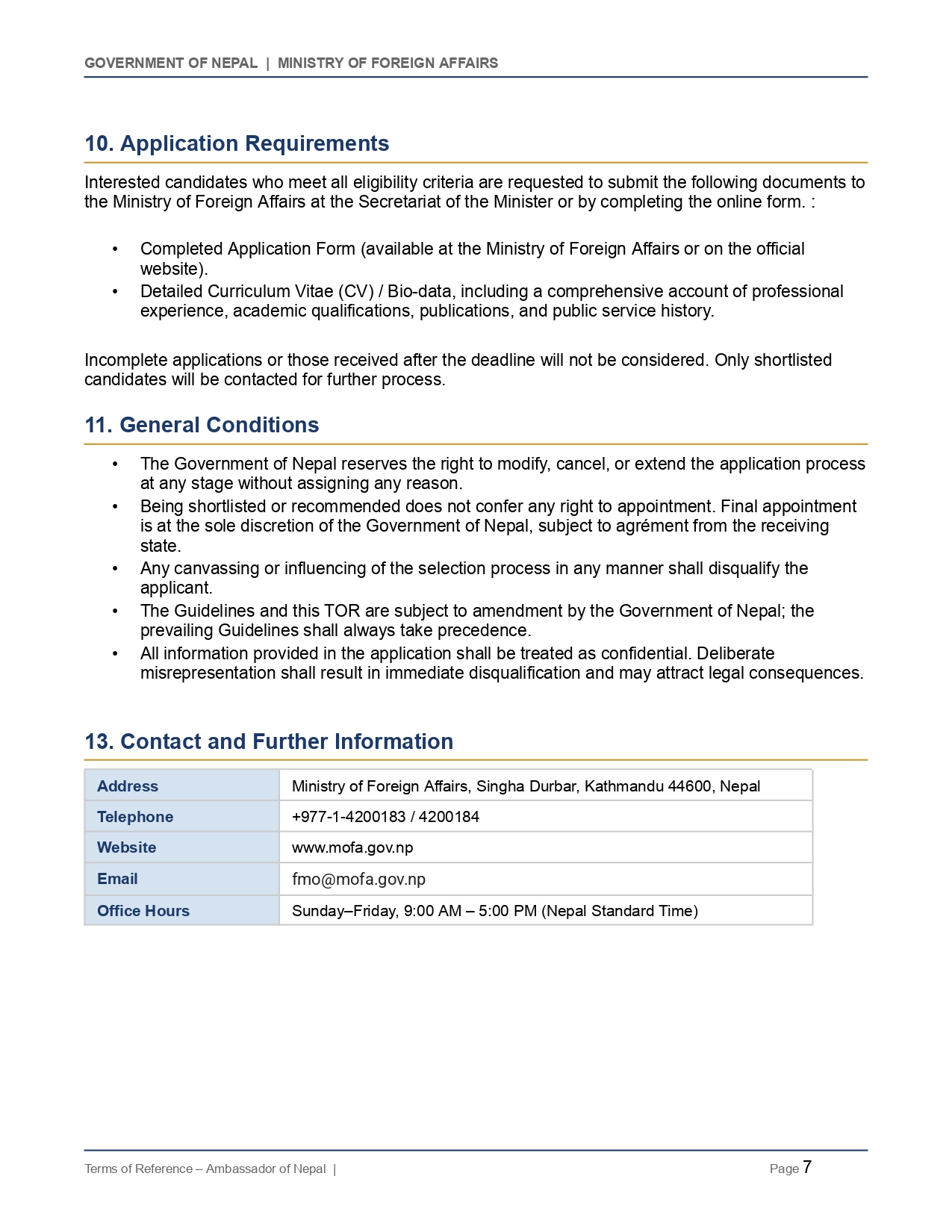
The Foreign Employment Department has instructed licensed agencies to mandatorily disclose official contact details in their advertisements. The department has stipulated that advertisements must clearly mention the contact person’s name, phone number, and location. Following complaints that the lack of such information in advertisements made it difficult for applicants to reach out, the department has also issued a warning about potential legal action.

April 17, Kathmandu – The Foreign Employment Department has directed its branches to ensure that agencies holding permits to send workers abroad include official contact information in advertisements published in nationally circulated daily newspapers. The directive specifies that the contact person’s name, phone number, and address must be clearly stated in the advertisements.

The department received complaints citing difficulties for applicants in reaching agencies due to missing contact details in recent advertisements. Taking these issues seriously, the department has issued a notice requiring all licensed agencies to include clear contact details in their advertisements. Additionally, when submitting pre-approval applications for foreign employment demand letters, agencies must disclose the relevant contact person’s name, number, and address. Failure to comply with these regulations will result in legal proceedings as per existing laws, the department warned.