Balanced Leadership of Experience and Vision Essential for Effective State Governance
News Summary
- The Rastriya Swatantra Party has proposed forming a comprehensive advisory committee including former Chief Justices, Chief Secretaries, Army Chiefs, Police Chiefs, and diplomats to guide government operations.
- For party management, there is a call to establish a ‘think tank’ consisting of political philosophers, strategic thinkers, and intellectuals to clearly define ideology and policies.
- It is emphasized that digital access within Singha Durbar should be expanded so citizens can directly send complaints and suggestions to ministries via specially developed applications, along with a call for maturity in social media usage.
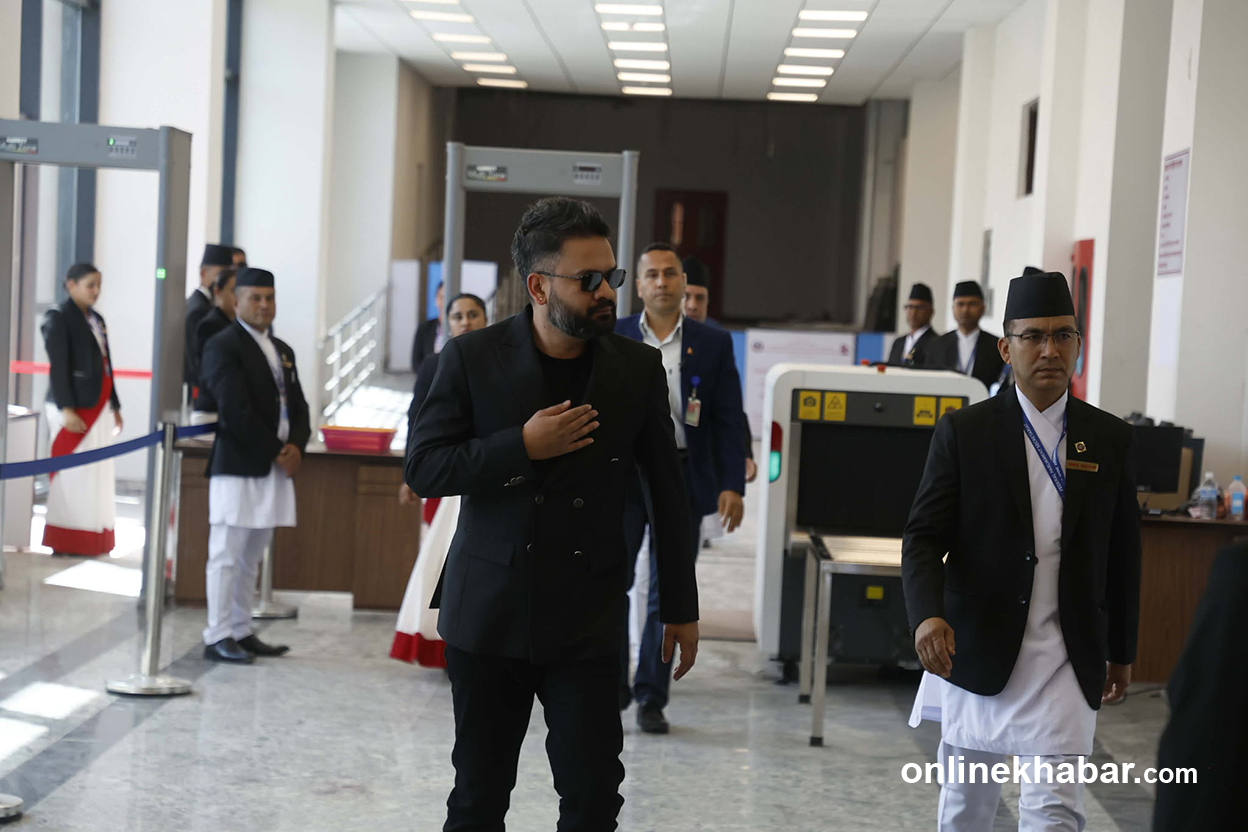
This year, though the eleventh of Baisakh has passed, it did not garner the same attention as in previous years. In Nepal’s democratic history, Baisakh 11 marks a pivotal turning point that empowered the people’s force. It is on this foundation of democratic openness that innovative parties like the Rastriya Swatantra Party (RSP) have emerged. While the youthful leadership within RSP is commendable, state governance is a complex task that demands more than enthusiasm — experience is crucial. Trial and error is not a luxury in sensitive sectors such as foreign policy, economy, security, and justice; even a small misstep could push the entire state into crisis. Hence, it is vital to move forward with mature strategies and expertise rather than emotions.
The election of young leaders into parliament and government symbolizes change. However, the state machinery is complex and heavily bureaucratic. Without the support of experienced individuals who have served for decades, success remains elusive. Therefore, the party must commit to improving its operational methodology and including experts to responsibly establish itself as a governing force. In the digital era, maximizing technology to bridge the gap between citizens and government for good governance is long overdue.
Given the current geopolitical instability and economic downturn, even small decisions carry significant impact. Whether it’s customs policy or student organization management, every step should carefully consider long-term consequences and public sentiment. Instead of chasing populism, actions must be grounded in reality. Rash decisions may cause disasters; thus, rigorous study and research-based policy reform benefit both the party and the nation.
Advisory Committees Essential for Effective Government and Party Management
Social media is a double-edged sword; it can rapidly elevate or swiftly bring down reputations.
Governance and party operation are distinct. Running the government requires administrative, security, and diplomatic experience, whereas party management requires ideas, philosophy, and strategy. Therefore, RSP must immediately form two high-level advisory committees. One committee for the government should include former Chief Justices, former Chief Secretaries, former Army Chiefs, former Police Chiefs, seasoned diplomats, and senior economists to advise ministers on legal, security, and international ramifications before policy decisions. This will help prevent immature decisions and uphold constitutional supremacy, rule of law, and separation of powers.
For party management, a ‘think tank’ comprising political philosophers, strategic thinkers, and intellectuals is necessary. This group will clarify party ideology, formulate policies, and deeply deliberate social issues. Giving prominence not solely based on election victories but also intellectual capacity will enhance the party’s stature. Combining experienced experts with youthful leadership will offer guidance and strengthen grasp over state mechanisms. Promoting pluralism, inclusivity, and minority rights within party workings and fostering a culture of cooperation is imperative today.
Many leaders and activists hail from other parties or bring new perspectives. In such cases, proving “we are different” must come through actions and results rather than words. Seeking advice from seasoned advisors does not weaken but strengthens and matures leadership. Attempts to reform without understanding various state organs risk remaining superficial noise. Hence, expertise and experience form the foundation of good governance. Regular meetings and suggestion-gathering systems for advisory committees must be established.
Ministers and party leadership must consult these committees before releasing significant documents or policies. This will avoid errors and bolster public trust. A mature party must embrace continuous learning and improvement.
Strengthening Digital Transparency and Citizen Access
Respecting freedom of speech and the press, politics must advance based on truth and facts.
Today’s world demands digital transparency, yet ordinary citizens must wait hours at Singha Durbar and seek favors to meet ministers or secretaries. This ‘gatepass’ system has become a barrier for citizens. RSP should abolish this system. Technology must be leveraged to carry voices not only from within the capital but also from remote areas directly to ministries. Progressive mobile applications beyond the old ‘Hello Government’ should be developed. This will enhance transparency, accountability, and respect for citizen supremacy.
Every ministry should have a dedicated app enabling citizens to directly submit complaints, suggestions, and grievances. High-level officials must have the facility to review and respond promptly via these platforms. This will foster a sense of government control among the public. Transparency must transcend rhetoric and become evident in practice. Citizens should be able to track pending files and project progress remotely. Such digital accessibility will help achieve zero tolerance for corruption and fulfill the essence of decentralization.
Maturity in social media usage is also essential. The trend of measuring leadership quality by viral posts or follower count on platforms like Facebook and TikTok must end. Social media is a two-edged sword—it can quickly elevate or just as swiftly diminish reputations. A leader’s merit should be judged by discipline, education, experience, and community dedication. Polished conduct and clear policies win hearts more than superficial popularity. Digital media should serve as a channel for factual information, but running politics solely on artistic presentation is risky. Upholding freedom of speech and press is critical to advancing politics grounded in truth. Reducing the distance between government and citizens is the cornerstone of real democracy and good governance.
Maintaining an independent judiciary and constitutional supremacy, and working with restraint, can bring major positive changes in the coming years and restore people’s trust.
Maturity Required Amid Geopolitical Challenges, Social Issues, and Working Style
The current geopolitical environment is complex and unstable. Conflicts and rivalries among world powers affect Nepal as well. In such times, decisions must carefully consider relations with neighboring countries and regional balance. For example, imposing taxes on goods over 100 rupees at customs has inconvenienced border communities and drawn negative attention in Indian media, revealing weaknesses in implementation. Policies must ensure equality and social justice.
Sensitive matters such as student politics and transient populations require practical caution. Abolishing student unions could contravene democratic values. Regulation to address malpractices is necessary, but dissolving organizations risks stifling youth political awareness. Peaceful protest and protection of human rights are vital democracy facets. A balanced approach is needed to rectify negatives and preserve positives. Regarding transient populations, clear distinctions between them and permanent residents must be established before actions like bulldozing. Development at the cost of human empathy is meaningless.
The concept of ‘Right to Recall’ should be properly understood, not misused. Power belongs to the people and this mechanism is not a tool to punish top party leaders arbitrarily. Democracy entails that those who elect representatives can also call them back. Mature representatives elected by adult suffrage and periodic elections must remain accountable. The government has sufficient time to deliver results. The first year should focus on study, research, and problem identification. Hasty execution breeds issues; gradual and steady progress is wise.
RSP must avoid confusion like other parties in power and demonstrate through results. Assigning responsibilities to qualified and capable members without discrimination between old and new will help change the country’s future.
In sum, governing a state is a serious responsibility demanding both enthusiasm and wisdom. RSP should combine youthful energy with seasoned expertise to strengthen its working methods. Establishing advisory committees, developing digital community platforms, and demonstrating maturity in geopolitics and social matters are core to party success. Focus must be on long-term policies and public service rather than mere popularity.
By respecting an independent judiciary and constitutional supremacy and exercising restraint, significant positive transformation and sustained public confidence can be achieved in the years ahead.