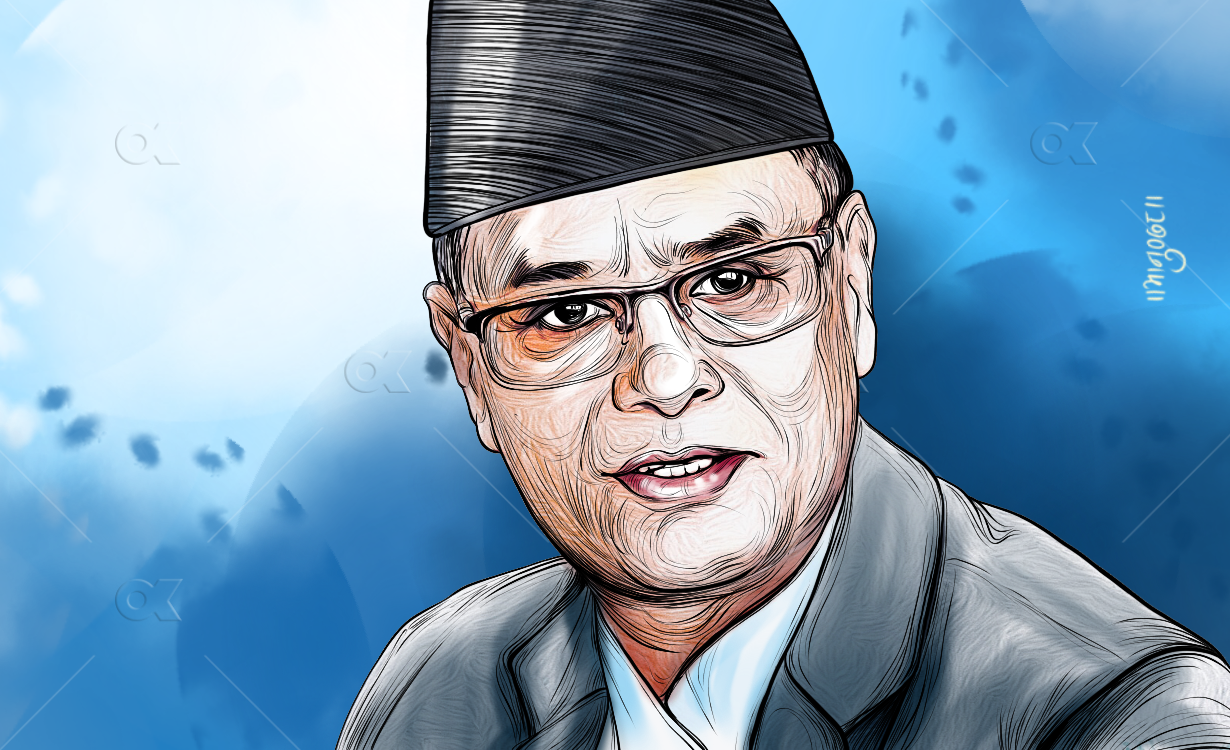
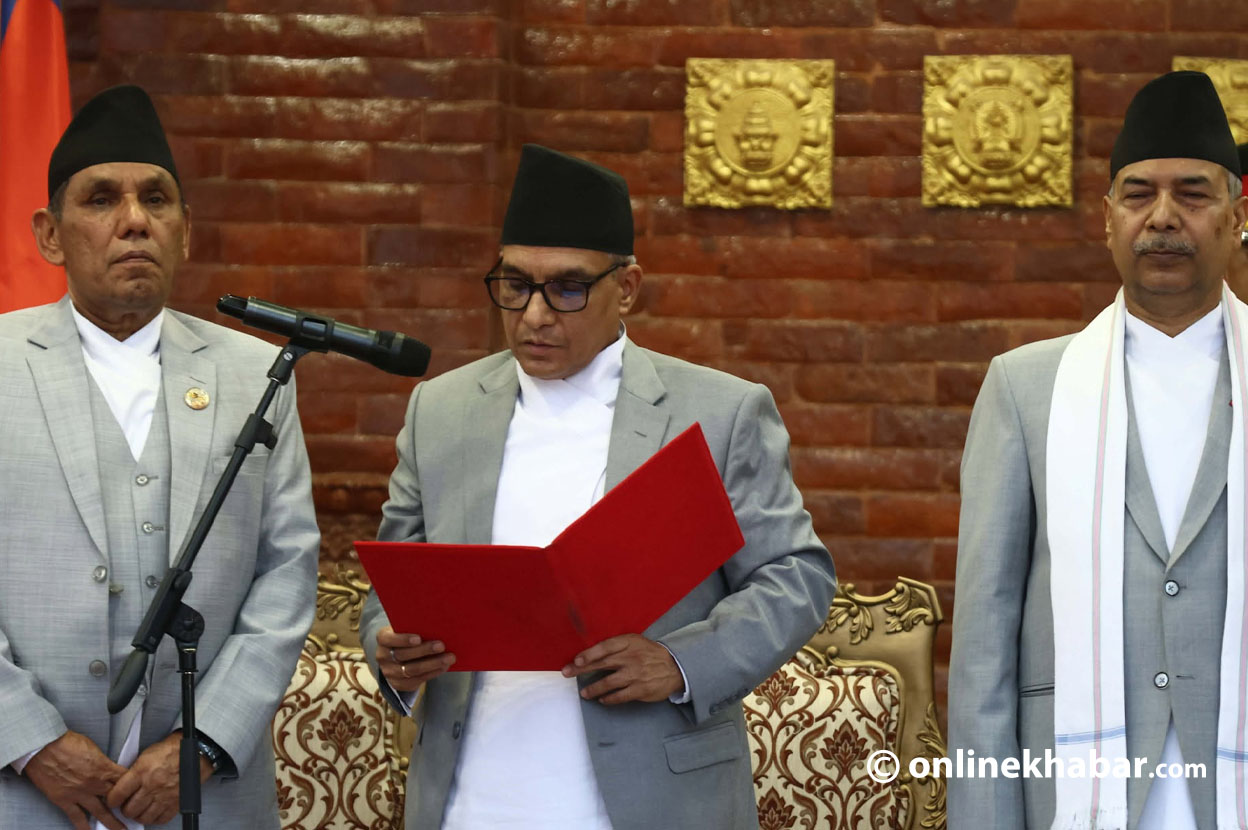
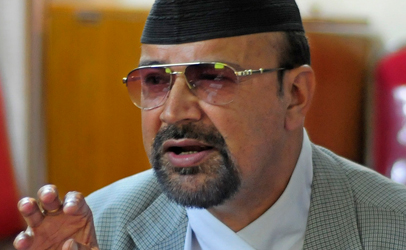
Chief Justice Dr. Manojkumar Sharma has emphasized that any form of interference in the judicial process is unacceptable. He stated that ensuring an independent, impartial, and trusted judiciary is the paramount goal of his tenure. Dr. Sharma underscored that the independence and impartiality of the judiciary are the backbone of democracy, and there will be no compromise on these principles. Kathmandu, 19 May.
After taking oath at the Supreme Court on Tuesday, Chief Justice Dr. Sharma clarified that no interference would be tolerated in the dignity of the judicial process. “Institutional independence of the judiciary, professional impartiality of judges, and the sanctity of the justice delivery process will not be subject to any intervention,” he affirmed.
He conveyed that he regards the position of Chief Justice not merely as a title but as a responsibility to strengthen the Constitution, the rule of law, judicial independence, and public confidence in justice. “The judiciary is the protector of the Constitution of Nepal, guarantor of fundamental rights, and a principal pillar of democratic governance,” Dr. Sharma remarked. “Hence, establishing and preserving an independent, impartial, capable, and publicly trusted judiciary will be the core focus of my tenure.”
Reiterating the judiciary’s independence and impartiality as the foundation of democracy, he stated, “My foremost and highest priority is to maintain an independent judiciary intact. Under no circumstances will there be any compromise on this belief. There will be no acceptance of interference in the institutional independence of the judiciary, judicial impartiality, or the justice delivery process.” Furthermore, he assured, “I will not allow any cause for doubts regarding this matter, nor will I let any such doubts arise. I want to assure complete confidence on this point.”
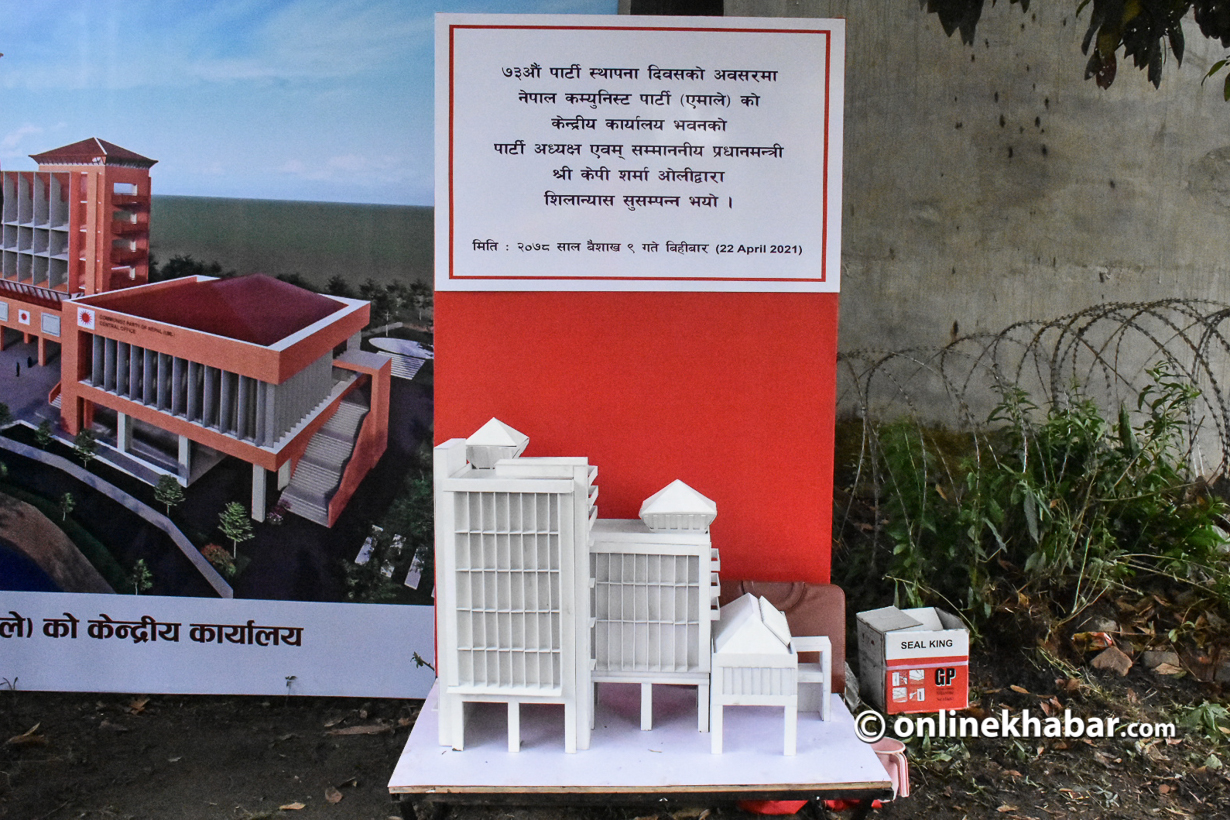
The CPN-UML is preparing to commence construction of its central office building in Madan Nagar, Balkhu within two months.
Since the 2015 earthquake, the party has been searching for a permanent central office location while shifting temporary offices over the past decade.
Over the past ten years, the party has spent nearly NPR 150 million establishing temporary offices and is now planning a new building in Balkhu.
May 18, Kathmandu – The Communist Party of Nepal (Unified Marxist-Leninist) is preparing to construct a central office building in Madan Nagar, Balkhu.
According to Central Office Secretary Dr. Bhishma Adhikari, construction will begin soon. He stated, “We are planning to start work within two months.”
Yesterday, on the occasion of Madan-Aashrit Day, General Secretary Shankar Pokharel announced the plan to establish the new building in Balkhu. Following his announcement, party workers expressed enthusiasm.
CPN-UML leader Krishna Rai said, “We had made many attempts to build the central office in Madan Nagar. Despite listening to businessmen’s opinions, leaders did not pay attention. Ultimately, we had to settle on this location.”
Gajendra Thapaliya, chairman of the Intellectuals’ Council, expressed his excitement on social media, saying: “This is joyful news not only for the members, well-wishers, and leaders and workers of UML but for all those inside and outside the country who support the party. We hope the building is constructed here soon and becomes the office that restores the party’s legacy.”
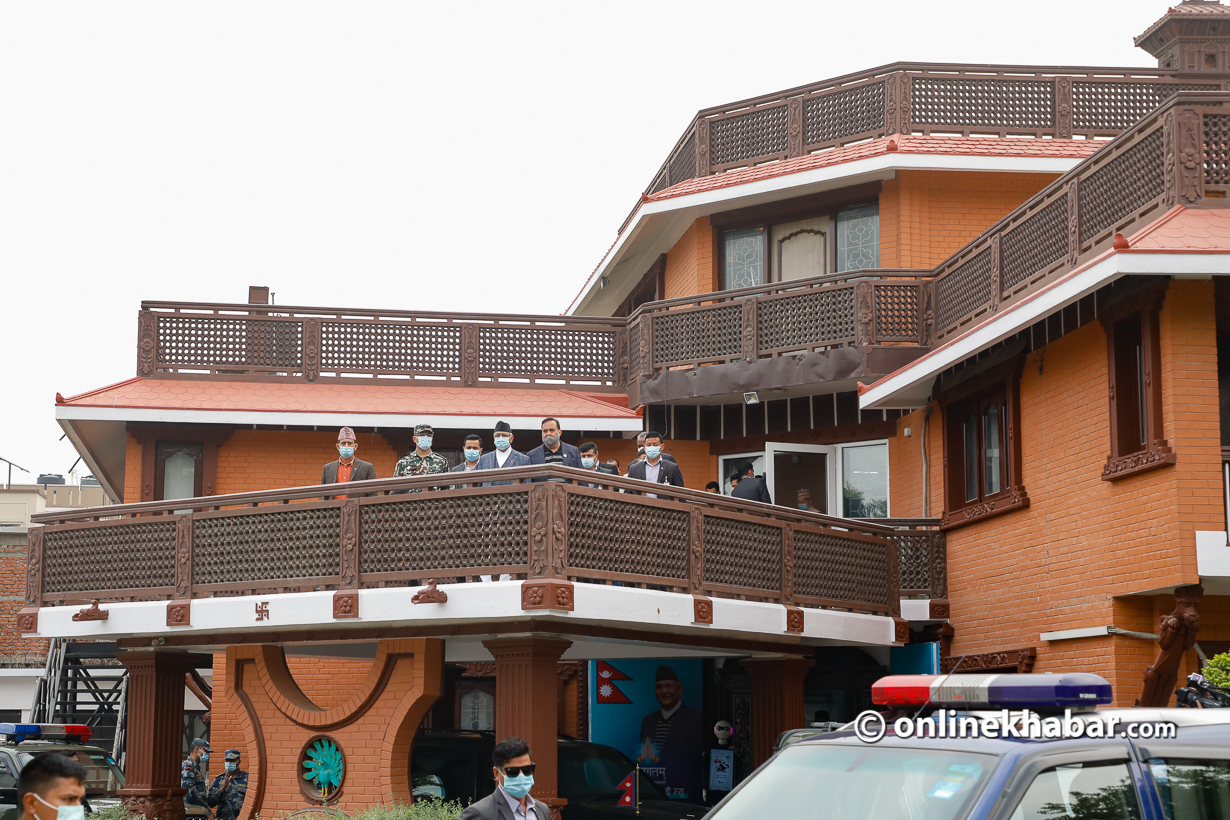
After the devastating earthquake in 2015 destroyed their office building in Balkhu, the CPN-UML has been searching and shifting temporary offices for ten years, facing disputes even during relocations.
Following the damage, the party moved to the office of Pasang Lhamu Foundation in Dhumbahari. This foundation, headed by Bhojpur MP Kripasur Sherpa, became a source of contention over office usage rights.
At the time, political parties strongly opposed using the foundation’s office. Sherpa was then Minister for Culture and Tourism and later KP Sharma Oli became Prime Minister. The UML operated from this office.
In Jestha 2018, UML and the Maoist Party merged to form the Nepal Communist Party (NCP). After Oli became Prime Minister, the foundation’s office remained the central office.
However, in Poush 2020, the NCP split. The Supreme Court annulled the unification, reinstating UML and Maoists as separate parties.
After restoration, businessman Motilal Dugad relocated the UML office from Dhumbahari to a relative’s house in Thapathali. Party members objected to having an office in a private house, but their protests were ineffective.
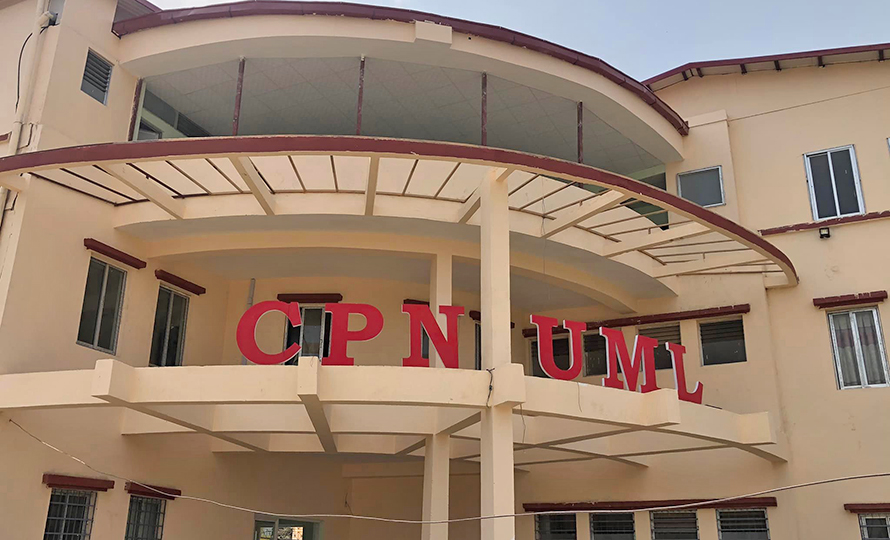
Due to parking issues related to the office, the party decided to move the office again. On April 22, 2022, the office was shifted from Thapathali to Chyasal.
The relocation to the Tulsi Lal Foundation building in Chyasal was led by Vishnu Rimal, Bharat Pahadi, Gajendra Thapaliya, Kanchan Bhatt, and Susmita Kshetri. About NPR 100 million was spent establishing the central office there.
“Approximately NPR 90 million was spent from hall construction to decoration,” said one party leader involved. “Even then, expenses did not stop. Last year, floods caused major damage, and the office was further damaged by fire during the 2022 Janajati agitation.”
Funds for repairing the fire-damaged office were also collected from expatriate organizations and government leaders.
Dr. Dineshchandra Devkota, a minister in Bagmati Province’s government, was requested for NPR 2.5 million in aid.
Although Dr. Devkota approved the aid, the Prime Minister Balendra Shah halted the release of funds and ordered the office to be vacated.
After this information became public, UML leaders were compelled to immediately find a new office, but no suitable location has been found to date.
According to party sources, “We have been trying to acquire office space near Balkhu but have yet to find any suitable options.” Despite efforts by local Kathmandu leaders, no new premises have been secured.
Controversy Over Donated Building
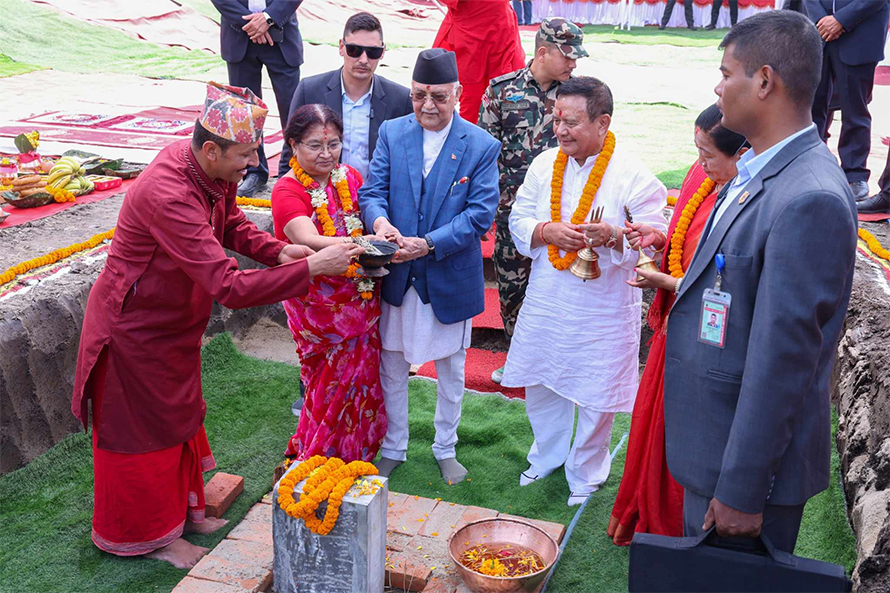
When the office was shifted to Chyasal on a five-year lease from Tulsi Lal Foundation, the UML had decided to build a permanent central office in Balkhu, with the foundation stone laid by KP Sharma Oli.
Former President Bidya Devi Bhandari had opposed relocating the office out of Balkhu.
However, while moving temporary offices, a decision in Ashwin 2081 BS (circa October 2024) was made to shift the permanent office out of Balkhu.
Despite objections from official authorities, then Prime Minister Oli and businessman Min Bahadur Gurung laid the foundation for the UML office building in Kirtipur.
The building in Kirtipur-2, valued at around NPR 1 billion, was to be donated by Gurung. This decision drew criticism both within and outside the party.
Party leaders opposed having the office in a donated building. Leaders holding differing opinions, including Dr. Binda Pandey and Ushakiran Timalsina, were suspended for six months, and others also faced disciplinary action.
Even though the building was to be donated, party workers were being asked to contribute funds for the construction. During the 2080 BS membership renewals, funds were collected for building construction.
Former Kathmandu UML chairman Krishna Rai stated, “More than 650,000 members were asked to contribute to build the office. However, with the plan to accept a donated building, the money raised has no accounted record and the office has not been constructed.”
In Bhadra last year, following the Janajati agitation, Min Bahadur Gurung withdrew his agreement to donate. He and Oli had reached agreement to hand over the central office before Dashain.
Thus, after ten years of searching and many controversies, the CPN-UML’s central office issue remains unresolved.
A UML leader remarked, “Nearly NPR 150 million has been spent relocating temporary offices. That amount would have sufficed to build a new building.”
He argued that since the building will be constructed with a 40-meter setback from the Bagmati River bank, the office will be spacious enough, making relocation from Balkhu unnecessary.
“The Supreme Court has ordered a 20-meter empty space to be maintained, which provides additional safety,” the leader added.
The government is preparing to allocate an additional NPR 250 million to the revolving fund to refund the savings of members of distressed cooperative institutions. With this addition to the NPR 250 million already allocated in the current fiscal year, the total contribution will reach NPR 500 million. The process of depositing funds obtained from the sale of cooperative assets into the revolving fund and refunding savers has already commenced as of Monday.
Kathmandu, 5 Jestha – The government has decided to provide an additional NPR 250 million to the revolving fund as per law to refund the savings of members of distressed cooperatives. With the initial allocation of NPR 250 million in this fiscal year’s budget, the total government contribution will now amount to NPR 500 million.
The government has been implementing the “Establishment and Operation Procedure of the Revolving Fund, 2078 (2021-22)” to refund savings to members of distressed cooperatives. This fund includes government allocations as well as proceeds from the sale of assets owned by borrowers from distressed cooperatives. These funds are being used to reimburse affected savers. The refund process began on Monday.
The budget appropriation bill for fiscal year 2083 outlines resolving issues in the cooperative sector under Principle and Priority No. 36. Minister Dr. Swarnim Wagle reaffirmed the government’s commitment in the National Assembly on Tuesday to find a long-term solution. He stated, “The process of refunding savings to small savers of distressed cooperatives started this Monday. The government has allocated NPR 250 million to the revolving fund this year and is preparing to allocate an additional NPR 250 million.”
Minister Wagle, who heads the Ministry of Land Management and Cooperatives, affirmed that the ministry is advancing the savings refund process. He added, “The funds in the revolving fund do not come directly from the state treasury, and we do not believe in such distribution. Proceeds from the sale of cooperative assets are deposited into the revolving fund, from which the refunds to savers are being processed. The government has only provided temporary facilitation thus far.”
The Supreme Court has ordered the release on bail of former minister Rajkumar Gupta, who was detained in connection with the Pokhara Lichibari corruption case. The Special Court had ordered Rajkumar Gupta to be held in custody for investigation on January 1. Gupta and Ranjita Shrestha face allegations of bribing the land revenue officer with 5.3 million rupees. Kathmandu, May 19.
The Supreme Court bench, led by Justices Sharanga Suvedi and Sunil Kumar Pokharel, overturned the earlier order and directed Gupta’s release on bail on Tuesday. The Supreme Court administration announced the revocation of the previous order and issuance of the bail order via its website. The written order has not yet been released.
The Special Court had deemed the contested evidence more credible than Gupta’s claims and on January 1 had ordered him into immediate custody for investigation. Former Minister Rajkumar Gupta and Ranjita Shrestha are accused of bribing Ramchandra Adhikari, the chief land revenue officer of Kaski, with 5.3 million rupees as a payoff within Kaski district. The Commission for Investigation of Abuse of Authority (CIAA) has demanded a lump sum penalty of 7.8 million rupees, citing an additional 2.5 million rupees involved in the appointment of Kaski Land Commission chairman Kham Bahadur Pun. Similarly, Sujan Lama has also been charged with corruption and is subject to the same penalty demand for alleged bribery.
May 19, Kathmandu – Discussions between the Nepali Congress and CPN-UML regarding the reorganization of provincial governments have intensified in recent days. On Tuesday morning, Deputy Chairman Bishwaprakash Sharma held talks with UML Chairman KP Sharma Oli about changes to provincial governments. Sharma has been entrusted by Congress with coordinating the reorganization efforts. Acting on this mandate, Sharma has been engaging in dialogue with various inter-party leaders.
According to sources, agreements have been reached so far in Madhesh and Lumbini provinces. In Madhesh Province, Krishna Prasad Yadav of Congress is the incumbent Chief Minister and there is a consensus to continue his leadership. “The UML has agreed to provide a vote of confidence and participate in the government by May 21,” sources said. Currently, UML is outside the government in Madhesh. Following the Janamat Party’s withdrawal of support, the Chief Minister there is required to seek a vote of confidence. Repeated discussions have resulted in UML agreeing to support the incumbent Congress-led government in Madhesh.
Similarly, an agreement has been reached to reorganize the government in Lumbini Province. “The government in Lumbini will be restructured within a few days,” a Congress-affiliated source disclosed. The current Chief Minister in Lumbini, CPN-UML’s Chetanarayan Acharya, is expected to be replaced by Congress leadership following the reorganization.
Leaders have indicated that preparations to alter governments in other provinces are also in their final stages. In a secretariat meeting held on Monday, Oli provided detailed information about the upcoming reorganization of provincial governments. “Discussions are underway to change provincial governments within two to three days,” he stated.
A UML official mentioned that efforts are being made to include the Nepal Communist Party (NCP) in the restructured provincial governments. “It is necessary for all democratic representative forces to unite and proceed accordingly,” Oli said.
The official also revealed that Oli has indicated the leadership of the Sudurpashchim Province government might be handed over to the NCP. “It is understood that Oli proposed to Congress leaders that granting Sudurpashchim Province to the NCP would create an environment for all parties to come together,” the official explained.
Sudurpashchim Province has a 52-member provincial assembly with NCP holding 22 seats, Congress 18, UML 10, and Rastriya Prajatantra Party one. With NCP as the largest party in the province, Oli has proposed that NCP lead the government and participate in other provinces’ governments as well. However, Congress, which currently leads the government, has reportedly not yet agreed, though its leaders have expressed willingness to enter discussions.
Both parties have agreed on changes in Bagmati, Gandaki, and Karnali provincial governments. In Bagmati and Gandaki, Congress currently leads the government, whereas Karnali is led by UML. According to prior consensus, the parties will swap leadership in these provinces.
Issues have arisen in Koshi Province due to a prior agreement. In Ashad 2081 (June-July 2024) during a power-sharing arrangement, UML Chairman Oli and then Congress Chairman Sher Bahadur Deuba had a secret agreement concerning the governments of Koshi and Sudurpashchim provinces. They agreed not to alter the governments in these provinces for five years.
“There was an agreement for UML to lead the Koshi Province government and Congress to lead the Sudurpashchim government for five years,” sources explained, “but problems have emerged following changes in Congress leadership.” Oli insists that the Koshi provincial government should remain under UML leadership as per the prior agreement, while Congress Deputy Chairman Bishwaprakash Sharma disagrees.
“Koshi Province is now also the jurisdiction of Sharma, so he is asserting his own stance,” a Congress leader from Koshi said. Gagan Thapa, Congress Chairman, who met Oli Sunday evening, stated that Sharma remains firm and since the party assigned him the responsibility, the decision should be made in his time.
Deputy Chairman Sharma holds the position that the Koshi provincial government should now be under Congress leadership. Leaders have indicated that a new Chief Minister’s name has been proposed. “Congress should lead the Koshi government, and Uddhav Thapa is the proposed new Chief Minister,” according to Sharma. He emphasized that all provinces should be treated fairly and Koshi and Sudurpashchim cannot be exceptions.
Despite these disagreements, both parties have agreed to maintain the coalition. “Both are in talks with Prachanda as alternatives to each other, but the priority remains the collaboration between Congress and UML,” sources coordinated the information.
By reaching consensus on the Madhesh and Lumbini governments, the parties have signaled their commitment to continue their cooperation. According to leaders, there is also near agreement on the appointment of Bagmati Province’s Assembly Speaker. “The Speaker will be appointed tomorrow or the day after,” a UML leader said, though it remains undecided who will receive the post, and no strong stance has emerged from either side.
Finance Minister Dr. Swarnim Wagle has assured that the honest and investment-focused private sector has no reason to fear. He clarified that the government’s goal is to expand the middle class while improving the economic conditions of the poor, workers, farmers, and marginalized communities. He also highlighted that the country lost economic opportunities due to inappropriate policies and administrative approaches over the past 30 years. (May 19, Kathmandu)
Responding to questions raised in both houses of the Federal Parliament regarding the principles and priorities of the Budget Appropriation Bill 2083, Finance Minister Wagle expressed confidence that the honest and investment-oriented private sector need not be afraid. When lawmakers inquired about discomfort and a lack of confidence within the private sector, he stated, “Honest and investment-focused private enterprises have nothing to worry about. The government itself is reaching out door-to-door to encourage investment, industrial growth, and production expansion.”
He informed that the government is committed to providing necessary facilitation, legal reforms, and policy stability. However, tackling issues of collusion, policy capture, and exploitative tendencies remains ongoing so that good governance benefits reach all citizens. Wagle emphasized that the government’s thinking, policies, programs, and the Budget Appropriation Bill’s principles and priorities are fully aligned and that the upcoming budget will follow this direction.
He also urged opposition parties to sever ties with malicious groups. Despite concerns that expanding the middle class might benefit only a limited group, he clarified, “Expanding the middle class does not mean providing privileges to a select few. It entails the economic empowerment of the poor, workers, farmers, landless individuals, squatter communities, and those deprived of opportunities.”
Law, Justice, and Parliamentary Affairs Minister Sobita Gautam met with David Shannon, Deputy Executive Secretary of the Asia/Pacific Group on Money Laundering (APG), to discuss coordination and inter-agency collaboration for the prevention of money laundering. Minister Gautam expressed the government’s priority to remove Nepal from the money laundering grey list and reiterated a commitment to strengthen coordination among investigative bodies.
On May 18, in Kathmandu, Minister Gautam held a courtesy meeting with APG Deputy Executive Secretary David Shannon and Policy Officer Kia Sashal on Tuesday afternoon. During the meeting, Deputy Executive Secretary Shannon discussed ongoing efforts to delist Nepal from the grey list, the legal implementation of anti-money laundering measures, and coordination among various agencies.
Minister Gautam emphasized the government’s serious approach towards curbing money laundering and confirmed that removing Nepal from the grey list is a high priority. She noted ongoing initiatives to enhance legal assistance, mentioning that Nepal has already signed Mutual Legal Assistance agreements with India and China. Additionally, she highlighted that a draft for legal reforms is underway at the relevant ministry and that the process will be prioritized and expedited.
Dr. Manoj Kumar Sharma has been appointed as Nepal’s 33rd Chief Justice with unanimous approval from the parliamentary hearing committee.
Sharma has clearly stated that any interference in the judiciary’s independence and justice delivery will be rejected.
The newly appointed Chief Justice Sharma has acknowledged the challenge of maintaining judicial independence and impartiality through his legal perspectives and judgments.
Kathmandu, May 19 – After receiving unanimous approval from the parliamentary hearing committee, Dr. Manoj Kumar Sharma has been appointed as the 33rd Chief Justice of Nepal.
Immediately after receiving his appointment letter from President Ram Chandra Paudel, he took the oath of office. According to Article 129(4) of the Constitution of Nepal, Dr. Sharma will serve until May 18, 2033, as the Chief Justice, with the term fixed at six years under this provision.
Dr. Sharma’s appointment marks a departure from many traditional practices; except for the appointments of Bhagwati Prasad Singh in 1964 and Nayan Bahadur Khatri in 1976, Sharma will become the longest-serving leader of the judiciary in Nepal.
Ranked fourth in Chief Justice seniority, he was appointed following unanimous parliamentary consent.
Following his assumption of office, Chief Justice Sharma spoke with journalists at the Supreme Court, affirming his commitment to maintaining judicial independence without compromise. He emphasized that the judiciary must remain independent and impartial, that judicial professionalism will be upheld, and that no interference in justice delivery will be tolerated.
He reassured the media saying, “There will be no room for anyone to doubt this matter. I want to fully assure that any such suspicion will be eliminated.”
Stable Tenure and the Challenge of Judicial Balance
Stable leadership tends to provide consistent direction to state bodies rather than excessively frequent changes. However, while stable leadership may risk authoritarianism, it remains essential that different branches of the state maintain checks and balances.
Considering the present context, a similar situation last occurred in 2017 (Nepali year 2074) when the then Nepal Communist Party held a majority. At that time, Prime Minister KP Sharma Oli led a powerful government with a two-thirds majority.
During the same period, the judiciary got a Chief Justice with a lengthy tenure. Following the failure to approve the proposed Chief Justice Deepak Raj Joshi, Cholendra Shamsher Jabara was appointed as Chief Justice.
However, an unnatural clash and agreement between Prime Minister Oli and Chief Justice Jabara led the executive towards authoritarianism and embroiled the judiciary in controversy.
Following protests by legal professionals and an impeachment movement, Chief Justice Jabara was suspended and retired; his pension remains unsettled to this day.
Today, with Balendra Shah also serving as Prime Minister with a two-thirds majority, Dr. Manoj Kumar Sharma is a judge known for regular judicial work but less vocal on judicial opinions. Despite this, he has been appointed Chief Justice in a somewhat unusual manner.
Concerns have arisen as to whether Chief Justice Sharma will allow judicial independence and justice delivery to be suppressed under a powerful executive and its decisions.
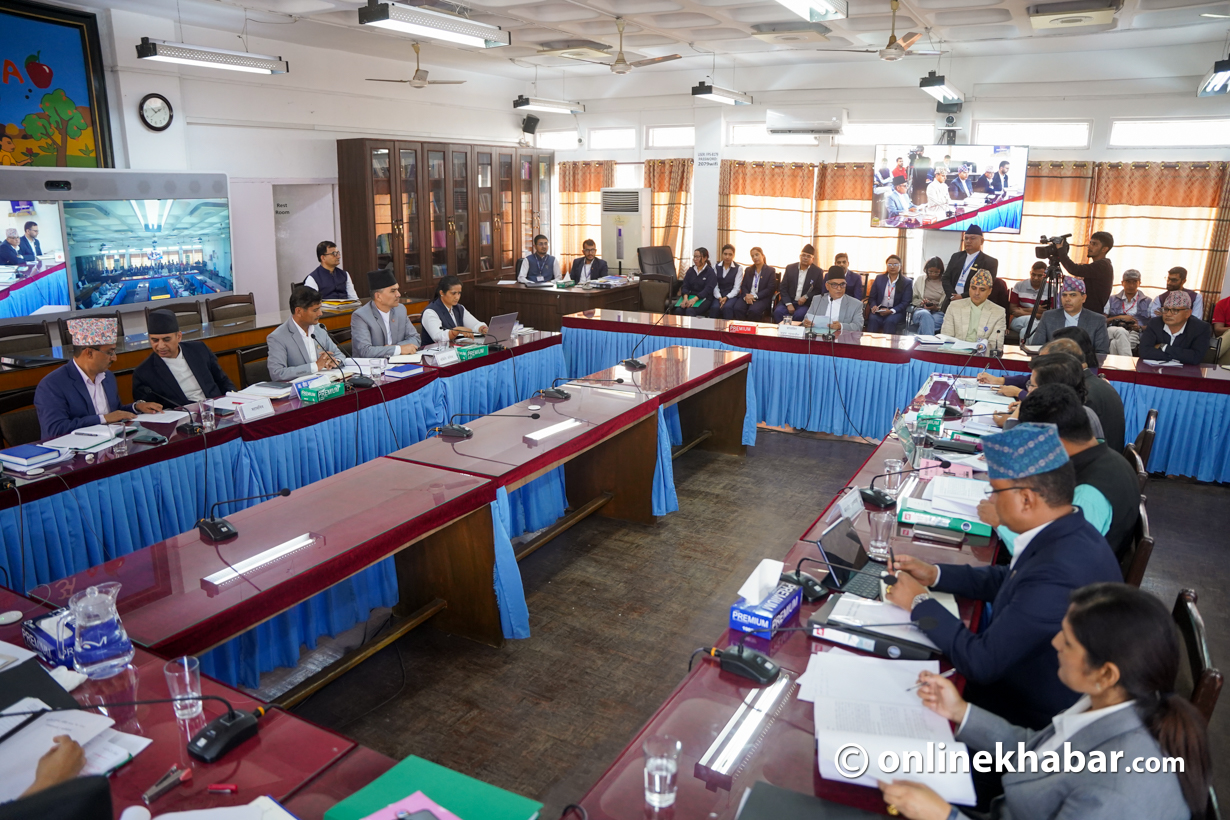
During the parliamentary hearing, lawmaker Aryal raised the question, “Will the judiciary be able to challenge wrongful decisions by the executive now?”
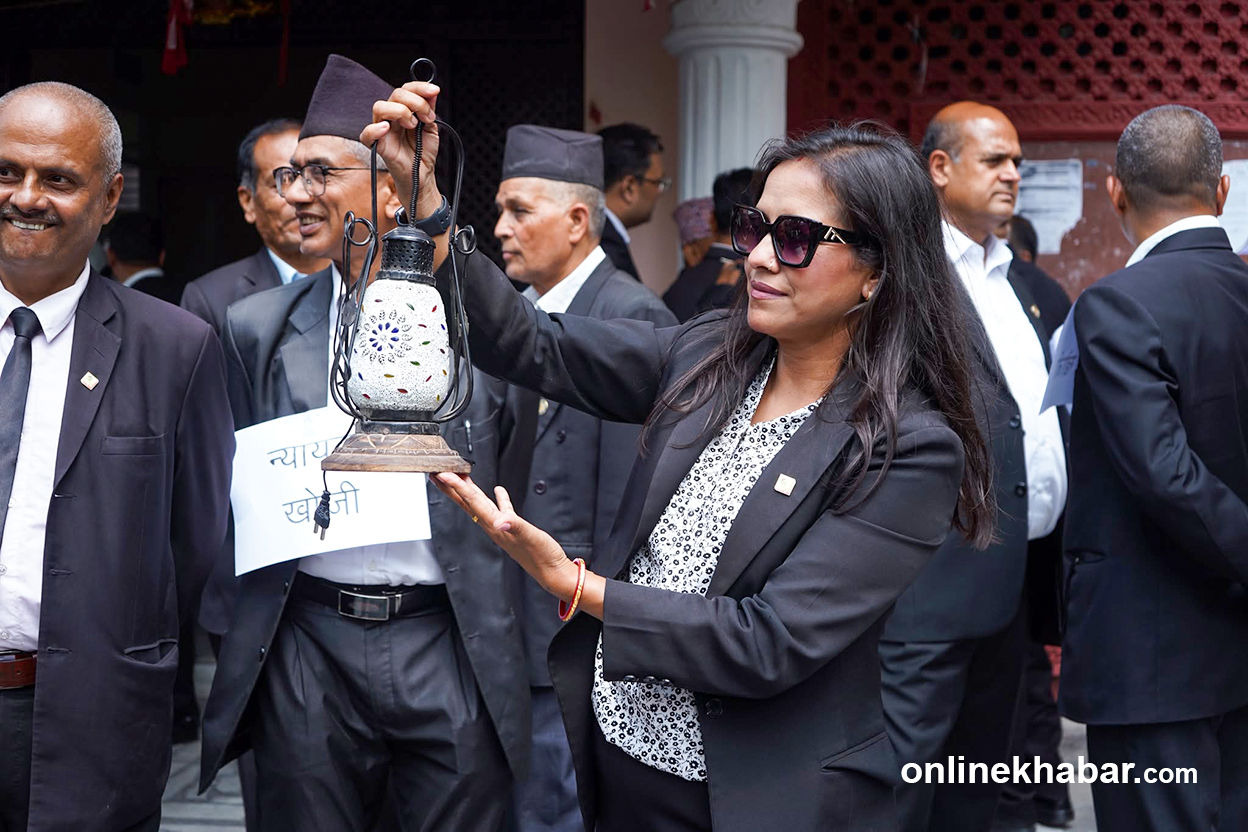
The Nepal Bar Association also expressed opposition and raised questions regarding the appointment process.
Constitutional expert Kashiraj Dahal highlighted the longstanding issues of political factionalism in the judiciary and its effects, urging the new leadership to avoid such allegations.
Dahal emphasized that judicial officials must uphold impartiality to foster public trust in decisions. He stated, “Stable chief bodies of the state must maintain balanced functioning in both directions.”
There is a possibility that critics may doubt any orders or decisions made by the newly appointed Chief Justice Sharma. Reassuring the judiciary’s independence through judicial perspectives remains a formidable challenge.
Dahal added, “The judiciary must advance constitutional supremacy and play a critical role in ensuring the rule of law. Additionally, courts must act as guardians for protecting fundamental rights. Achieving balance in these areas will enhance public confidence in the judiciary.”
The Challenge of Gaining Colleagues’ Trust
Historically, tenure of a Chief Justice has seen divisions among judges on several occasions. However, immediately after the Constitutional Council’s recommendation, the Supreme Court judges initially appeared united.
Within about two weeks of Dr. Sharma’s appointment, however, judges in the Supreme Court began to divide into two groups, showing differences in judicial perspectives.
In some instances, acting Chief Justice Sapana Pradhan Malla had to issue administrative orders regarding the case filing process, which led to protests from the Nepal Bar Association.
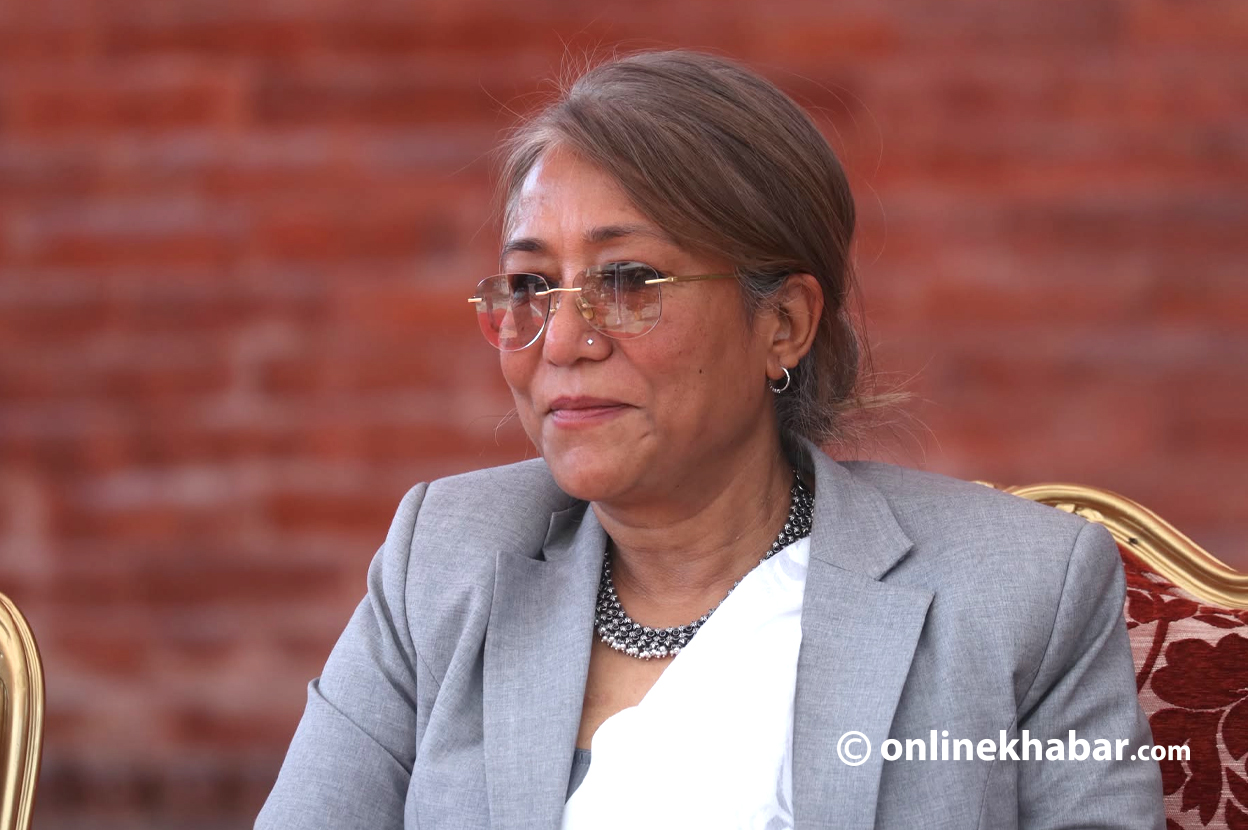
Senior Justice Sapana Pradhan Malla
After becoming Chief Justice, Dr. Sharma faces the challenge of leading the country’s judiciary and managing how the senior judges who preceded him accept his leadership. He must maintain balanced relationships in constitutional benches formation and administrative tasks.
He needs to treat even those judges who question him without discrimination, sending a message of unity.
Supreme Court Bar Association Secretary Raman Karn sees the trust crisis among judges as a personal matter.
In his view, judges’ personal ambitions and egos should be secondary to justice delivery.
“All judges function on an equal footing in justice delivery. The opinions of the Chief Justice and other judges carry the same weight,” Karn said. “Expressing differing views can create the perception of injustice among litigants. Therefore, judicial officers must now send a message of unity.”
Balancing and securing the confidence of divided and discontent judges by utilizing their skills effectively will be a key challenge for the Chief Justice.
Constitutionalist Kashiraj Dahal pointed out, “It is not just about establishing relationships with colleagues — the Bar itself is divided and lawyers have differing opinions. The Chief Justice must demonstrate integrity and foster good relations with the legal community.”
During Tuesday’s parliamentary hearing, lawmakers urged the proposed Chief Justice to prioritize speedy justice delivery. In response, Dr. Sharma committed to expediting justice through regional reforms and improved use of information technology.
Delivering quality justice to justify his appointment will be the most significant challenge for Chief Justice Sharma.
Previously, he had criticized the publication committee’s selection process for publishing judicial decisions only selectively. Now, as Chief Justice, he will lead not only the constitutional benches but also others.
Because the Chief Justice role encompasses judicial leadership alongside administrative responsibilities, he must proactively guide judicial opinion formation.
Even after his commitments, institutional reforms and expeditious justice delivery face challenges. Currently, there are three vacant judge positions in the Supreme Court and many vacancies in High Courts haven’t been filled in time.
Among approximately 7,000 judiciary staff nationwide, there remains a 10% manpower shortfall. The increase in cases makes it challenging to deliver quick justice and dispose of old cases.
Nepal Bar Association Vice President Tej Bahadur Rawal stressed the need to reduce case backlogs and accelerate justice delivery with the new judicial leadership.
“Delivering speedy justice amid limited resources and eliminating corruption and other distortions within courts will be his toughest tasks,” Rawal said.
Dr. Manoj Kumar Sharma, a relative of former Chief Justice Damodar Prasad Sharma, faced questions during the parliamentary hearing about ‘nepotism’ allegations. He had been an additional judge in the appellate court and lacked tenure stability after the new constitution was promulgated. He became a Supreme Court judge during Cholendra Shamsher Jabara’s tenure.
Due to his background, affiliations, and other reasons, questions about his integrity and dedication have been raised.
Although silent on transaction allegations initially during hearings, on the second questioning, he rejected the allegations stating, “These accusations are completely false, and claims related to my PhD are also baseless.”
Due to the controversial tenure of Cholendra Shamsher Jabara and deals with the executive, Jabara was suspended and subsequently retired. Though recent Chief Justices showed weaknesses in work, no questions were raised regarding their integrity and honesty, setting a standard.
According to Supreme Court judges, “Maintaining an integrity level at least comparable to the three preceding Chief Justices will be a significant challenge for him. To sustain public trust in the judiciary, integrity and honesty are paramount.”
Constitution Expert Kashiraj Dahal
After the Jana Andolan II movement, morale among the judiciary and legal professionals has weakened. Some courts still operate from damaged buildings with charred and partially destroyed documents. Recovering such materials and advancing justice delivery under these conditions remains challenging.
Dahal, a longtime participant in judicial administration and former secretary of the Judicial Council, noted that inconsistencies exist among judges in justice delivery and litigants often predict possible decisions just by the publication of bench and hearing lists.
He added, “While judges do not always have to share identical viewpoints, at a minimum unified standards must be upheld.”
Political parties previously criticized appointments for political favoritism; these parties are now in power, and their representatives serve as senior members of the Judicial Council. The new Chief Justice is expected to select qualified individuals by earning the trust of the senior-most judges.
“The Chief Justice must now select qualified judges based on merit rather than the ruling party’s interests or other political manipulations,” Dahal said. “Failing to select capable judicial officers will hinder judicial reform.”
The government-operated Dairy Development Corporation (DDC) has initiated stringent monitoring of milk collection, quality, and distribution. It was discovered that 3,020 liters of milk brought from Panauti was adulterated with sugar and did not meet minimum quality standards. The corporation has halted the distribution of this milk, taking it under control and plans to destroy it tomorrow.
Kathmandu, May 19 – In response to rising complaints about low-quality milk reaching the market and declining consumer trust, DDC has tightened its quality testing. After 3,020 liters of milk sourced from Panauti in Kavre tested unfit for consumption, DDC intensified its quality control measures. The milk, collected through the chilling center in Panauti from various cooperatives and farms, was found to be adulterated with sugar, had an unusual odor, and failed to meet minimum standards, according to DDC Managing Director Dr. Sharan Pandey.
Upon confirming the poor quality, the corporation stopped the distribution of the milk and took it into custody, Dr. Pandey reported. He emphasized that the stricter quality control measures aim to restore consumer confidence in the corporation’s products and ensure only healthy milk reaches the market. “We are rigorously investigating allegations that substandard milk was collected and supplied to the market, which could damage consumer trust in the DDC,” said Managing Director Pandey.
Suspecting possible collusion between the corporation’s staff or collectors in the collection of such a large quantity of substandard milk, DDC has launched an internal investigation. “We are conducting a detailed inquiry into where this malpractice originated,” he stated. “Our investigation also covers whether any employees were involved. Those found guilty will face disciplinary action.” Managing Director Pandey also made it clear that DDC will further tighten quality testing in the future to prevent the supply of low-quality milk.
May 19, Kathmandu – A team from the Armed Police Force Nepal raided a location in Lalitpur manufacturing counterfeit branded liquor and arrested four individuals. The police seized fake bottles of Red Label, Black Label, and various other brand liquors from a house in Mahalaxmi Municipality-7, Changathali, Lalitpur, where the suspects were apprehended.
The Armed Police Force stated that, acting on special information received from the Nepal Intelligence Bureau, they conducted the raid at the residence of Birkha Bahadur Tamang in Changathali.
Those arrested include 30-year-old Manoj Khatri from Khandadevi Rural Municipality-2, Ramechhap; 28-year-old Binod Tamang from Khimti Rural Municipality, Ramechhap; 26-year-old Bibek Tamang; and 22-year-old Chhiden Nima Tamang from Bahrabise Municipality-6, Sindhupalchok, according to Deputy Inspector General (DIG) Vishnu Prasad Bhatt, the spokesperson for the Armed Police Force.
Additionally, the police recovered chemicals and equipment used in liquor production, as well as revenue stickers and holograms from the site.
The Nepal Ji Kun-Do Martial Arts Federation has announced its participation in the ‘Indo-Nepal SDT Street Defence Tournament 2026’ to be held in Mumbai, India. The Nepalese team will be led by coach Shiv Bahadur Thapa, with an 11-member squad comprising both male and female athletes. Indian organizer Sifu MR Salmani expressed confidence that the participation of the Nepalese team will strengthen friendship and promote cultural exchange between the two countries.
The Nepal Ji Kun-Do Martial Arts Federation will take part in the ‘Indo-Nepal SDT Street Defence Tournament 2026’ organized by the ‘Ji Kun-Do Martial Art Association (India)’. The event is scheduled to take place in Mumbai on May 22, 23, and 24, 2026. The Nepalese team for the tournament has been officially announced. Under the leadership of international coach Shiv Bahadur Thapa, the team will represent Nepal in the competition.
Refereeing duties will be handled by Dipendra Shrestha and Kumar Basnet. Team manager will be Sabin Shrestha, a member of the Tokha Municipality Sports Development Committee. The male players selected are Vijay Thapa, Bibek Thapa, Ayush Shrestha, Sanjiv Majhi, Pitamber Magar, and Rajendra Thapa. The female athletes include Nirmala Magar, Jamuna Bik, Sarika Nepali, Fumiko Tamang, and Nilam Koirala. For medical support, nurse Dr. Srijana Khadka will be part of the team’s health services.
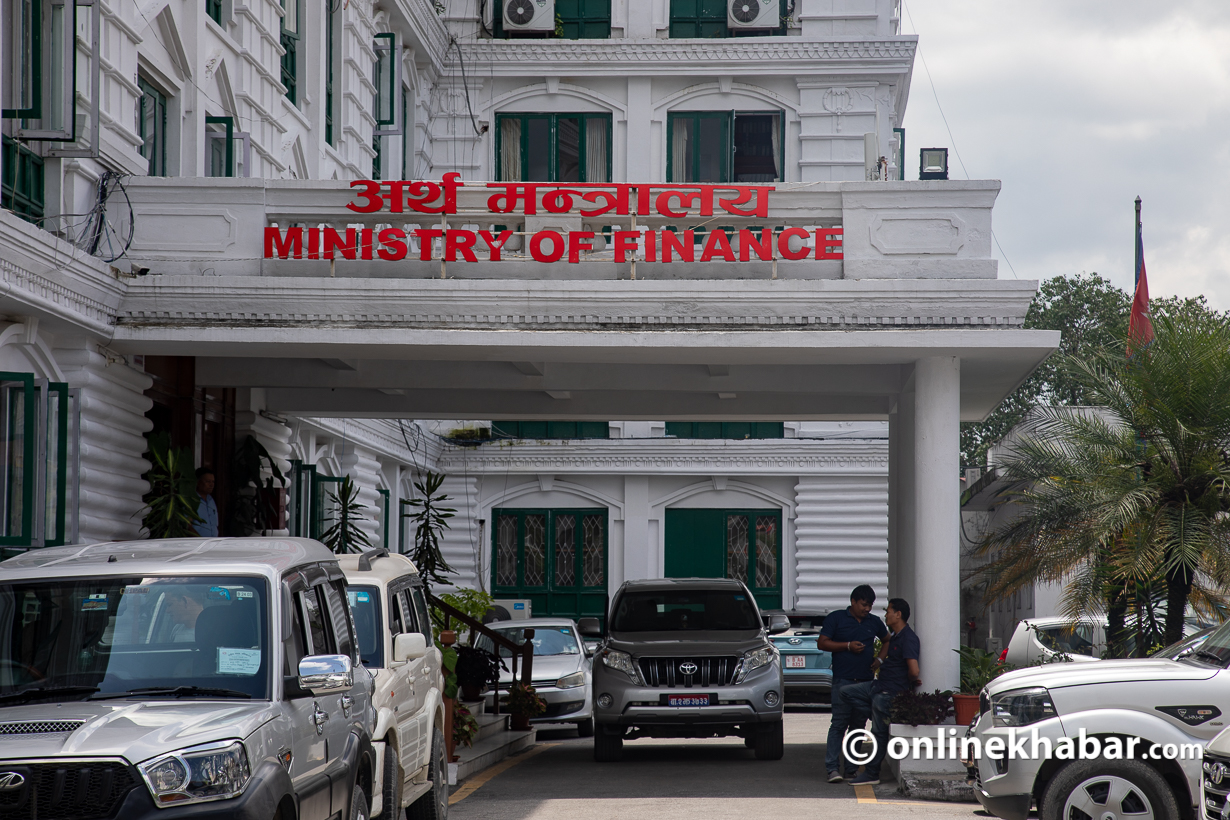
The government’s public debt has reached NPR 2.975 trillion as of the first 10 months of the fiscal year 2082/83. By the end of Baishakh, the total public debt-to-GDP ratio stood at 45.08 percent, reflecting a decline compared to the ratio in Chaitra. The High-Level Commission on Economic Reform has recommended strict prohibitions on domestic borrowing for current and administrative expenses.
Kathmandu, 5 Jestha — The public debt the government must repay has reached NPR 2.975 trillion. According to the Public Debt Management Office, during the 10 months of the current fiscal year 2082/83 (from Saun to Baishakh), the size of public debt approached NPR 3 trillion. By the end of Baishakh, public debt increased by NPR 532.91 billion. During the same period, repayments amounted to NPR 231.92 billion. Therefore, the net increase in public debt over these 10 months was approximately NPR 39.9 billion, according to office data.
At the end of the previous fiscal year, Asar, public debt was NPR 2.674 trillion. By the end of Baishakh, domestic debt stood at NPR 1.381 trillion and external debt at NPR 1.593 trillion. Additional pressure on external debt this year came from the strengthening of the US dollar. Due to exchange rate fluctuations, a further NPR 167.75 billion was added to external debt liabilities. The net borrowing by the government during this period was NPR 365.16 billion, with the remainder of the increase attributed to exchange rate effects, the office reported.
As of Baishakh, public debt was NPR 1.381 trillion domestic and NPR 1.593 trillion external, totaling NPR 2.975 trillion. The new GDP valuation caused the public debt ratio to decline. Based on the total gross domestic product (GDP), public debt ratio was 45.08 percent at Baishakh. This assessment uses updated GDP figures released by the National Statistics Office on 15 Baishakh 2083. Consequently, the public debt ratio has declined compared to Chaitra, when it was 48.04 percent. Until the previous month, the office computed public debt ratios using GDP figures from 15 Baishakh 2082.
The National Statistics Office’s data shows that the economy, valued at around NPR 6.1 trillion the previous year, has increased to NPR 6.6 trillion this fiscal year. Based on this, external debt accounts for 24.15 percent of GDP, and internal debt accounts for 20.93 percent.
In the 10 months, 61.30 percent of the public debt target was mobilized. The government set a total public debt mobilization target of NPR 595.66 billion for this fiscal year. By Baishakh, NPR 365.16 billion was mobilized. Of this, domestic borrowing was NPR 298.66 billion, and external borrowing was NPR 6.649 billion by Baishakh. The fiscal year targets include NPR 362 billion for domestic debt and NPR 233 billion for external debt.
The government’s public debt reached NPR 2.975 trillion during the first 10 months of the current fiscal year 2082/83.
By mid-April, the total public debt as a percentage of GDP was 45.08%, showing a decrease compared to the previous month of Chaitra.
The High-Level Economic Reform Suggestion Commission has recommended strict prohibition on the use of internal debt for current and administrative expenditures.
May 19, Kathmandu – The government’s public debt to be repaid has reached NPR 2.975 trillion.
According to the Public Debt Management Office, the public debt size has neared NPR 3 trillion during the first 10 months (Shrawan to Baisakh) of the current fiscal year 2082/83.
By mid-April of the current fiscal year, an additional burden of NPR 532.91 billion was added to public debt, while NPR 231.92 billion was repaid during the same period. Hence, the net increase in public debt over 10 months amounts to NPR 39.9 billion, according to the office’s data.
At the end of last fiscal year (mid-July), the public debt stood at NPR 2.674 trillion. By mid-April, internal debt has reached NPR 1.381 trillion and external debt NPR 1.593 trillion.
External debt faced additional pressure this year due to the strengthening of the US dollar. Exchange rate fluctuations led to an added NPR 167.5 billion liability on external debt.
Of the total, the government itself deployed only NPR 365.16 billion in net debt during this period, with the remaining burden arising from exchange rate variations, the office stated.
Public Debt Status as of Mid-April
Internal debt: NPR 1.381 trillion
External debt: NPR 1.593 trillion
Total: NPR 2.975 trillion
New GDP Assessment Reduces Public Debt Ratio
Based on the total Gross Domestic Product (GDP), public debt stood at 45.08% by mid-April. This valuation uses the updated GDP figures announced by the National Statistics Office on May 28, 2026 (15 Baisakh 2083 BS).
The public debt ratio thus shows a decline compared to Chaitra, when it was 48.04% of GDP.
Until last month, the office calculated debt ratios based on figures of May 28, 2025 (15 Baisakh 2082 BS). The economy’s size rose from around NPR 6.1 trillion in the previous fiscal year to NPR 6.6 trillion currently, according to the National Statistics Office’s data. The external debt now accounts for 24.15% and internal debt 20.93% of GDP.
61.30% of Annual Debt Target Utilized in 10 Months
The office reported that the government has deployed 61.30% of the public debt target in the first 10 months. The total public debt issuance target for this year is NPR 595.66 billion.
By mid-April, debt issuance totaled NPR 365.16 billion, with NPR 298.66 billion in internal debt and NPR 6.649 billion in external debt deployed. The government’s targets for the current fiscal include NPR 362 billion internal and NPR 233 billion external debt issuance.
Nearly NPR 300 Billion Spent on Principal and Interest Payments
During the first 10 months, the government has already spent nearly NPR 300 billion on principal and interest payments for public debt. The office data indicates NPR 292.52 billion spent on debt servicing by mid-April.
The government allocated NPR 411.1 billion for this purpose in the current fiscal year. This reveals rising debt management costs relative to government productivity—a concern seriously noted by the Auditor General in the 63rd Annual Report.
Internal debt principal payments reached NPR 185.66 billion and interest payments NPR 5.052 billion. External debt principal payments were NPR 4.625 billion and interest NPR 1.06 billion.
In total, over 10 months, NPR 231.92 billion was spent on principal repayment and NPR 6.059 billion on interest. According to the office, debt servicing costs equal 4.43% of GDP.
Experts describe Nepal’s current public debt situation as becoming a “debtor before the nation is wealthy.” Compared to individual life, this is akin to falling into a debt trap where new loans must be taken to repay old ones. This is the current state of the country.
Public Debt Doubled in Seven Years
According to Ministry of Finance figures, public debt has almost doubled over the last seven years. Up to fiscal year 2076/77, public debt stood at NPR 1.433 trillion. Since then, it has grown substantially, now nearing NPR 3 trillion. The debt-to-GDP ratio has increased from 38.05% seven years ago to over 45% currently.
Rising public expenditure, declining foreign aid, and underperformance in expected revenue collections have continuously driven the increase in public debt.
Experts note that borrowing matched with investment in productive and capital-augmenting projects is manageable; however, the reality in Nepal is different.
Many major government projects funded by debt have failed to operate as expected, with Pokhara and Bhairahawa international airports being prominent examples.
The Melamchi Drinking Water Project, another debt-funded initiative, was not completed on time and further damaged by natural disasters. These infrastructure projects’ failure to deliver expected benefits raises questions about the effective utilization of Nepal’s public debt.
The High-Level Economic Reform Suggestion Commission, formed in 2081 BS, reported that increases in public debt volume and structure without proportionate GDP and revenue growth have escalated the burden of principal and interest payments.
The report states: “If public debt is not properly utilized, the country will increasingly fall into a debt trap.”
With rising principal and interest obligations, critical sectors like education, health, and security are experiencing budget shortfalls. Consequently, government bodies and experts recommend focusing debt deployment on capital-building sectors.
Commission Recommends Strict Ban on Internal Debt for Current and Administrative Expenses
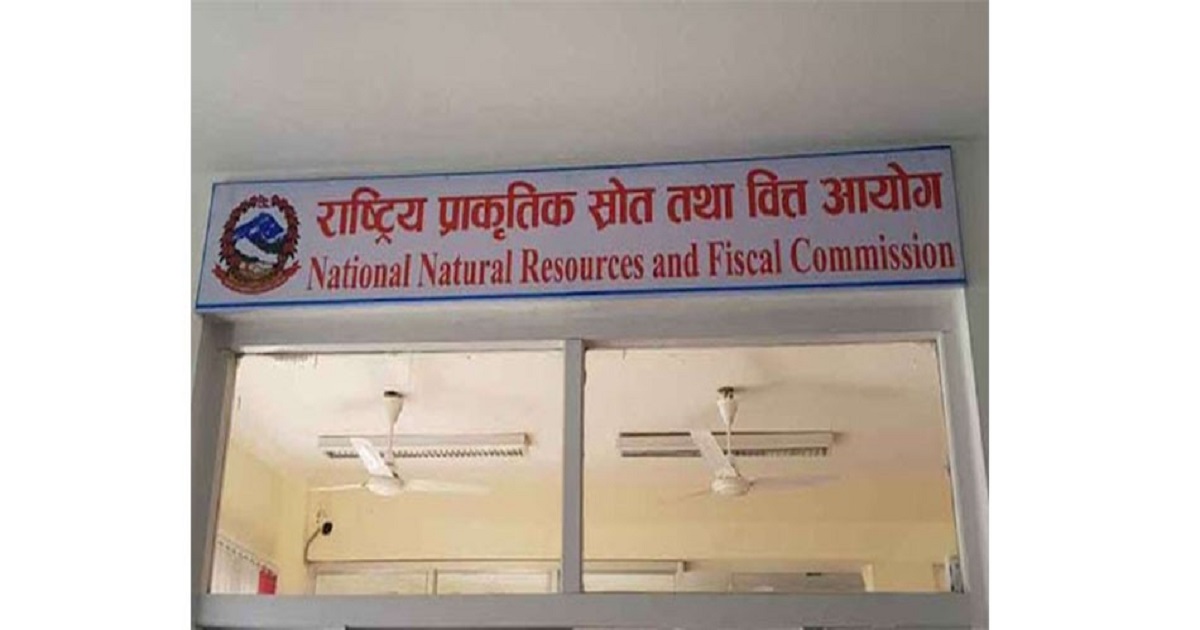
The National Natural Resources and Finance Commission has recommended strictly prohibiting the use of internal debt for current and administrative expenses.
While defining limits for internal debt that federal, provincial, and local governments may incur in fiscal year 2083/84, the commission has issued this directive.
As in previous years, the commission has set a ceiling for internal debt at 5.5% of GDP for the next fiscal year, which the federal government must enforce. The commission further insisted on strict restrictions on using internal debt for administrative and current expenses.
“Internal debt should be allocated to projects that can create employment, yield long-term benefits, and contribute to capital formation, while current and administrative expenses must face strict limitations,” the commission stated.
In fiscal year 2081/82, the net internal debt issuance was only 1.41% of GDP. Due to increasing debt servicing costs, most internal debt issued has been used to repay existing obligations.
This trend has adversely impacted capital construction and economic expansion, the commission found. Since 2075/76, it has recommended that the government allocate internal debt proceeds toward capital formation projects.
However, Nepal’s government has yet to clearly disclose how internal debt proceeds are spent, limiting the commission’s ability to analyze debt utilization and implementation of recommendations.
The commission advises focusing internal debt only on profitable projects based on cost-benefit analysis, current evaluation, and internal rate of return.
Additionally, it recommends deploying internal debt on select social sector projects with high returns.
During the identification, development, and selection of debt-funded projects, the commission urges ensuring that project returns can cover principal and interest payments.
Internal debt should be limited to projects that promote production growth, employment creation, income increases, infrastructure development, and capital formation with proper preparatory work.
The commission further suggests that all three government tiers must explicitly mention internal debt in budget documents’ source-of-funding sections when preparing programs or projects.
The commission also suggests establishing an integrated electronic information management, accounting, and reporting system for internal and overall public debt deployed by all three government levels via the Public Debt Management Office. It recommends providing access to the commission within this system.
It urges the three levels of government to craft internal debt and revenue improvement action plans, viewing internal debt deployment not as current revenue spending but as liabilities to be serviced by future revenue.
Auditor General’s Conclusion: Public Debt Not Spent on Capital Formation
The 63rd Annual Report of the Auditor General reveals that public debt funds have not been directed toward capital formation but instead spent on salaries, services, consultancy, and office operations.
The report highlights that the debt structure is vulnerable to external monetary influences, pointing out the failure to deploy financial instruments for managing foreign exchange risks. It recommends confining debt deployment to productive sectors.
It also notes that total revenue collection reached only about 80% of the target, exerting pressure on internal sources. Increasing debt servicing obligations have led to a rising dependence on borrowing for other expenditures.
The Auditor General suggests, “Current expenditures should be kept within desirable limits, and debt funds should be allocated to projects that yield returns.”
5 Jestha, Kathmandu – The Ministry of Agriculture, Forestry and Environment has reported that it currently holds 144,803 metric tons of chemical fertilizer in stock. In a press conference held on Tuesday, Dr. Ramkrishna Shrestha, Chief Secretary of the Agriculture Development Division of the ministry, provided detailed information regarding the fertilizer inventory. He also asserted that there is no immediate shortage of fertilizer.
Due to the ongoing conflict in West Asia, delays have occurred in the timely delivery of tendered fertilizer shipments. The ministry expressed confidence that once the obstruction in the Strait of Hormuz is cleared, 491,000 metric tons of fertilizer ordered through tenders will arrive as scheduled. The ministry also noted that fertilizer prices have increased compared to previous years, citing this prevailing disruption as a key factor.
In light of the uncertainty around fertilizer supply timing caused by the conflict, Secretary Shrestha has urged farmers to adopt organic fertilizers. He emphasized not limiting fertilizer use to chemical types alone and encouraged special attention to soil health preservation during fertilizer application. –RASS
Yakub Konkel, who smuggled drugs concealed inside clothing from Kim Kardashian’s ‘Skims’ brand, was sentenced to 13 years and 6 months in prison.
Konkel had hidden 90 kilograms of cocaine, transporting it from Belgium through the Netherlands to the UK, and was arrested on September 4 at Harwich Port.
The judge described Konkel’s role as pivotal in a major drug trafficking operation and ordered the destruction of the truck, drugs, and mobile phones seized.
May 19, Kathmandu – A heavy goods vehicle driver caught smuggling narcotics hidden inside clothing from Kim Kardashian’s ‘Skims’ brand has received a prison sentence of 13 years and 6 months.
Forty-year-old Yakub Konkel collected drugs in Belgium, then transported them through the Netherlands to the United Kingdom. On September 4, customs officers at Harwich International Port in Essex searched his truck and discovered 90 kilograms of cocaine.
Konkel, a resident of Kartuzja in Poland, had concealed the cocaine inside ‘Skims’ brand underwear and clothing that had arrived as legitimate deliveries to the UK.
At Chelmsford Crown Court during sentencing, he became emotional. Judge Richard Wilkin described him as a willing driver who collected the drugs from an industrial area in Belgium. Konkel was paid 4,500 euros to drive the truck to a Dutch port where the drugs were loaded before the vehicle continued to the UK.
“Your role in this large-scale commercial drug operation was not minor; it was a critical one,” the judge said.
Authorities became suspicious of the cargo when they observed 28 pallets of underwear and clothing inside the truck. An X-ray scan at the port revealed the vehicle’s rear door had been specially modified to hide 90 packets of cocaine. Prosecutor Jerry Hays explained that a mobile phone used to coordinate drug supplies was found in the vehicle. The phone was set with a self-deletion feature to erase data after 18 hours.
Konkel’s lawyer, James Gray, noted that his client has admitted to the offense and behaved well in custody. Paul Orchard of the National Crime Agency commented, “Organized crime groups use corrupt drivers like Konkel to smuggle drugs concealed within legitimate goods. This action represents not only a drug seizure but also the loss of an important associate for criminal networks.”
The judge ordered the confiscation and destruction of the drugs, truck, and mobile phones. After serving his sentence, Konkel will be deported. Efforts to obtain comments from Kim Kardashian regarding the case were unsuccessful.